Your Teen's Transformation Starts
Here!
Guardian Recovery Adolescent can help your teen take control of their lives, putting them on a path to a brighter future filled with possibility.
High-Risk Personality Traits in Teens
Adolescence is a time of increased risk-taking and exploration.3 It’s natural for your teen to want to experiment with new things and try on new identities, which helps them figure out who they are so they can find their place in the world. Risk simply refers to performing a behavior where the outcome isn’t guaranteed, and it’s something that we all typically do as humans in order to learn and grow. Normal, positive risk-taking behaviors in teens include trying out for a new sport or activity, attempting a new skill, protesting for a cause they believe in, meeting new friends, or asking someone out for a date.3, 4 Studies show that teens are more likely than adults to engage in these types of new behaviors where the outcome isn’t certain, which is a normal part of adolescent development.4 During the period between childhood and adolescence, a remodeling of the brain’s dopaminergic system takes place, which typically leads to increases in reward-seeking behaviors, which can be positive or negative.5 While risk-taking can be positive, most people associate risk-taking in adolescence with delinquent behavior and substance use, and most research has focused on this area in particular as a way of understanding why certain teens engage in negative risk-taking more than others.4 Recent research by scientists at the The Matilda Centre for Research in Mental Health and Substance Use at the University of Sydney in Australia has identified certain high-risk personality traits that may help explain why some teens are more likely to take risks like substance use. These traits include:6- Anxiety sensitivity, meaning that some teens are more likely to fear anxiety-related physical sensations, due to the belief that they could cause harm.
- Negative thinking, referring to an innate tendency to experience hopelessness, a lack of optimism, and negative emotions.
- Sensation seeking, meaning that teens who have this trait may be more likely to take risks for the feeling of the experience.
- Impulsivity, referring to an inability to inhibit urges that lead to risks that mainly lead to negative outcomes.
Recognizing Behavioral Patterns That Signal Vulnerability
Experts agree that it’s important to recognize the signs that can signal vulnerability, because most of the behaviors that lead to negative outcomes in adulthood, such as alcohol and drug use, begin in adolescence.5 In general, teens and young adults are more likely to engage in risky behaviors such as binge drinking or other substance use, violent or criminal behavior, and driving under the influence.5 This is why you should be alert to certain behavioral patterns that may indicate that your teen is struggling, requires extra guidance or monitoring, or needs professional help. If you’re concerned about your child and you’re not sure where to turn, please call us at 1-888-483-1517 to discuss your concerns and your child’s unique situation. Our admissions navigators can perform an initial assessment and help you understand our teen treatment options. Behavioral patterns that you should be alert to include:- Substance use, including using alcohol or illicit drugs, misusing prescription medication, or selling drugs.
- Delinquency, i.e., engaging in minor crimes like shoplifting, stealing, bullying, cutting classes, skipping school, vandalism, or other forms of unacceptable behavior, some of which could indicate a conduct disorder.7
- Eating disorders or problematic eating patterns, which studies have shown to be associated with substance misuse in adolescence.8
- Negative changes in their peer group, such as associating with other teens who engage in negative risk-taking or harmful behaviors, such as substance use.
- Lying about who they’re with or what they’re doing.
- Attention problems or hyperactivity, which could potentially indicate ADHD, which has been associated with an increased risk of adolescent substance use.7
Complimentary Insurance Check
Find Out Today!
"*" indicates required fields
The Influence of External Environments & Peers
Environmental and social factors play a significant role in a teen’s addiction risk. When combined with certain high-risk personality traits or an underlying genetic predisposition, your teen’s risk of developing a substance use disorder can be even higher.9 Some of the environmental factors that can increase a teen’s risk of addiction include:- Peer substance use.
- Peer antisocial behavior.
- Emotional, physical, or sexual abuse.
- Availability and easy access to drugs or alcohol.
- Parental and family attitudes about substance use.
- A lack of parental monitoring.
- A lack of community stability.
Your Teen’s Unique Risk Profile & Triggers
Every teen is unique, which means that no teen has the same risk profile as another. For example, some people may have a genetic predisposition to addiction yet never develop a substance use disorder, while others without the same family history can struggle with lifelong substance use. Certain triggers can play a role in a teen’s risk, such as:10- Any form of unhealthy stress, such as academic or relationship stress.
- Strife in the family, such as marital discord or divorce.
- Illness or death of a family member or friend.
- Financial problems at home.
- Abuse or trauma.
- Neglect.
- Association with gangs or bullying.
- The presence of a mental health condition, such as depression or anxiety.
Preventing Destructive Habits Early On
Protective factors can prevent destructive habits and help teens avoid the consequences associated with substance use and other negative risk-taking behaviors. These factors include:11- A healthy sense of self-esteem.
- Developing healthy coping skills.
- Engaging in learning.
- Cultivating social skills.
- Developing emotional control.
- Connecting to positive social areas outside of the family, such as school sports, positive peers, employment, or religious/spiritual organizations.
- Positive parental role modeling.
- Stable and predictable home environment.
- Clear rules and expectations about behavior.
How Addiction Targets Vulnerabilities in Teens
Teens may be more vulnerable to addiction due to the nature of certain developmental processes. As the adolescent brain isn’t yet fully developed, teens do not always have the ability to fully engage in impulse control or healthy decision-making. In addition, research shows that the developing teen brain can be more vulnerable to the effects of alcohol and drugs, which could increase a teen’s risk of addiction later in life.12Our Locations
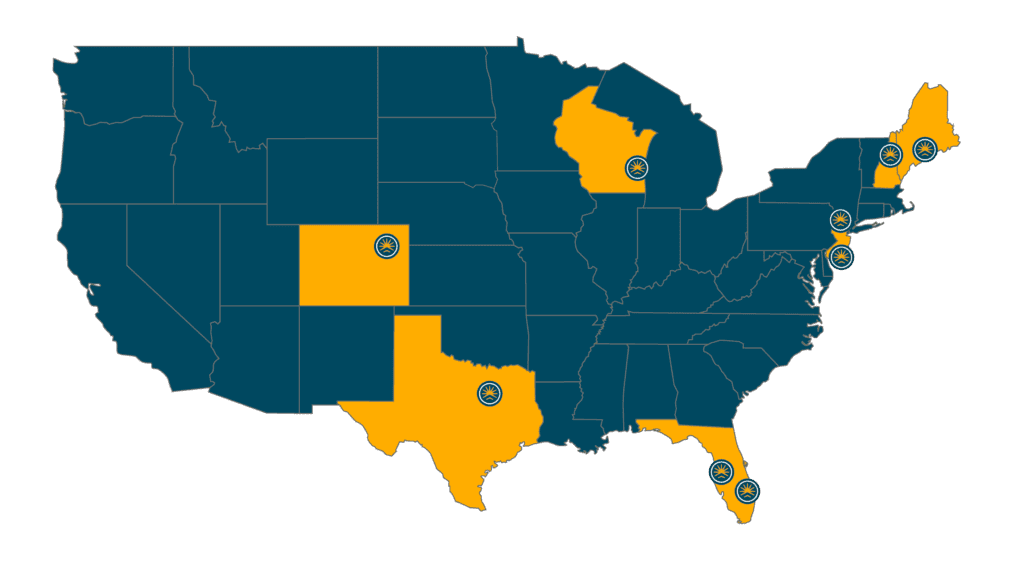
Our Facilities & Teams Transform Lives
Changing lives by providing comprehensive support and rehabilitation, empowering individuals to overcome addiction and regain control of their health and well-being.

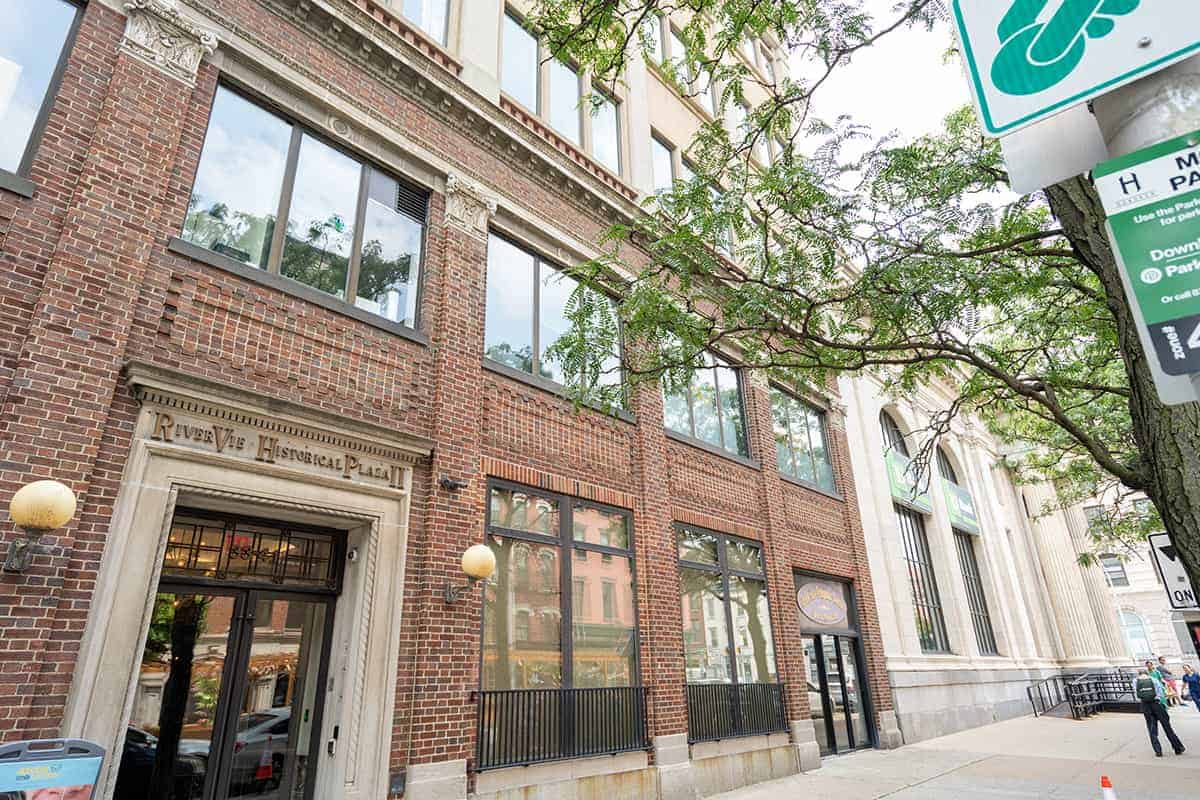
Boca Raton Adolescent Center
Boca Raton, Florida
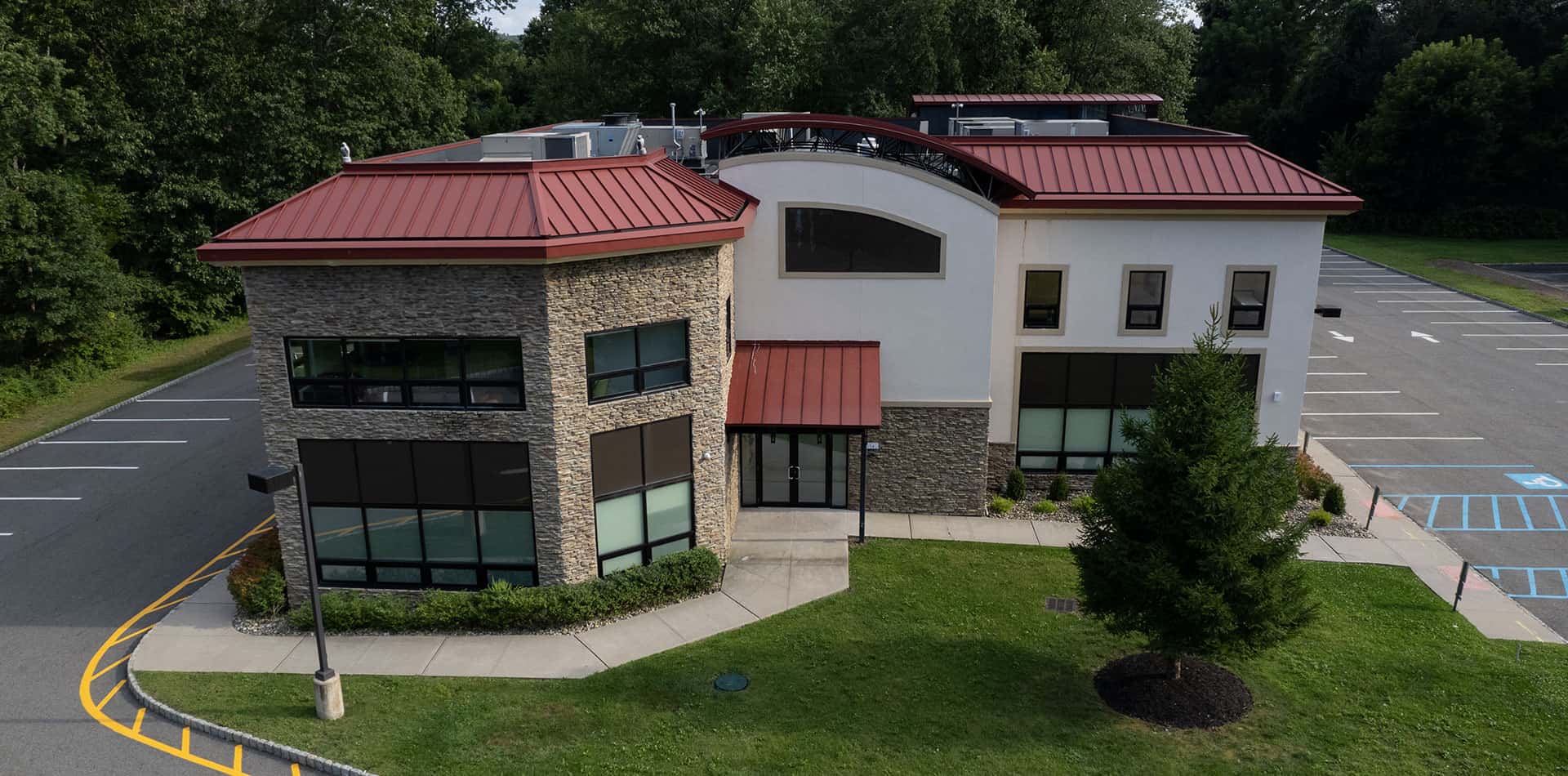
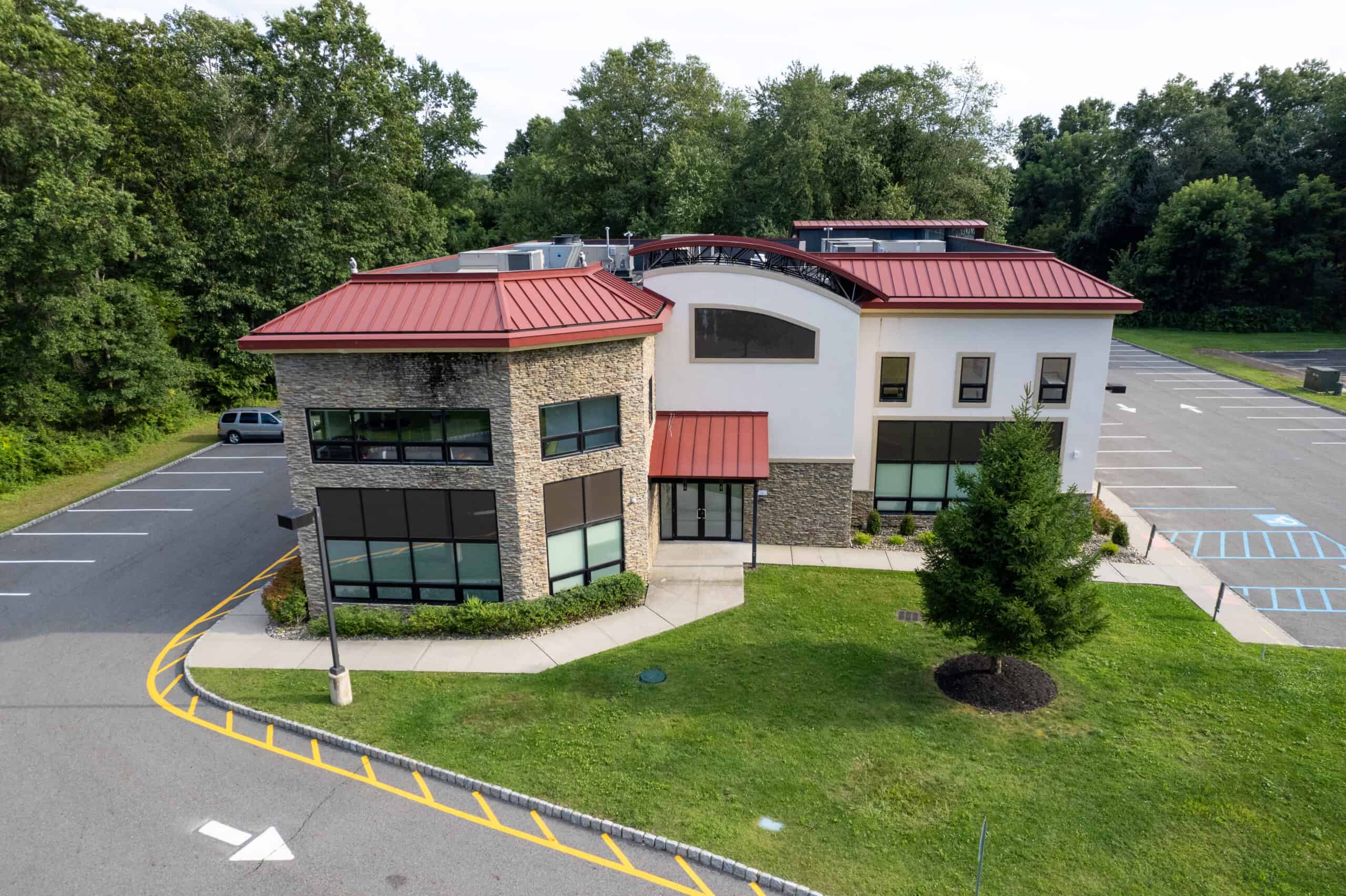
Montville Adolescent Center
Towaco, New Jersey

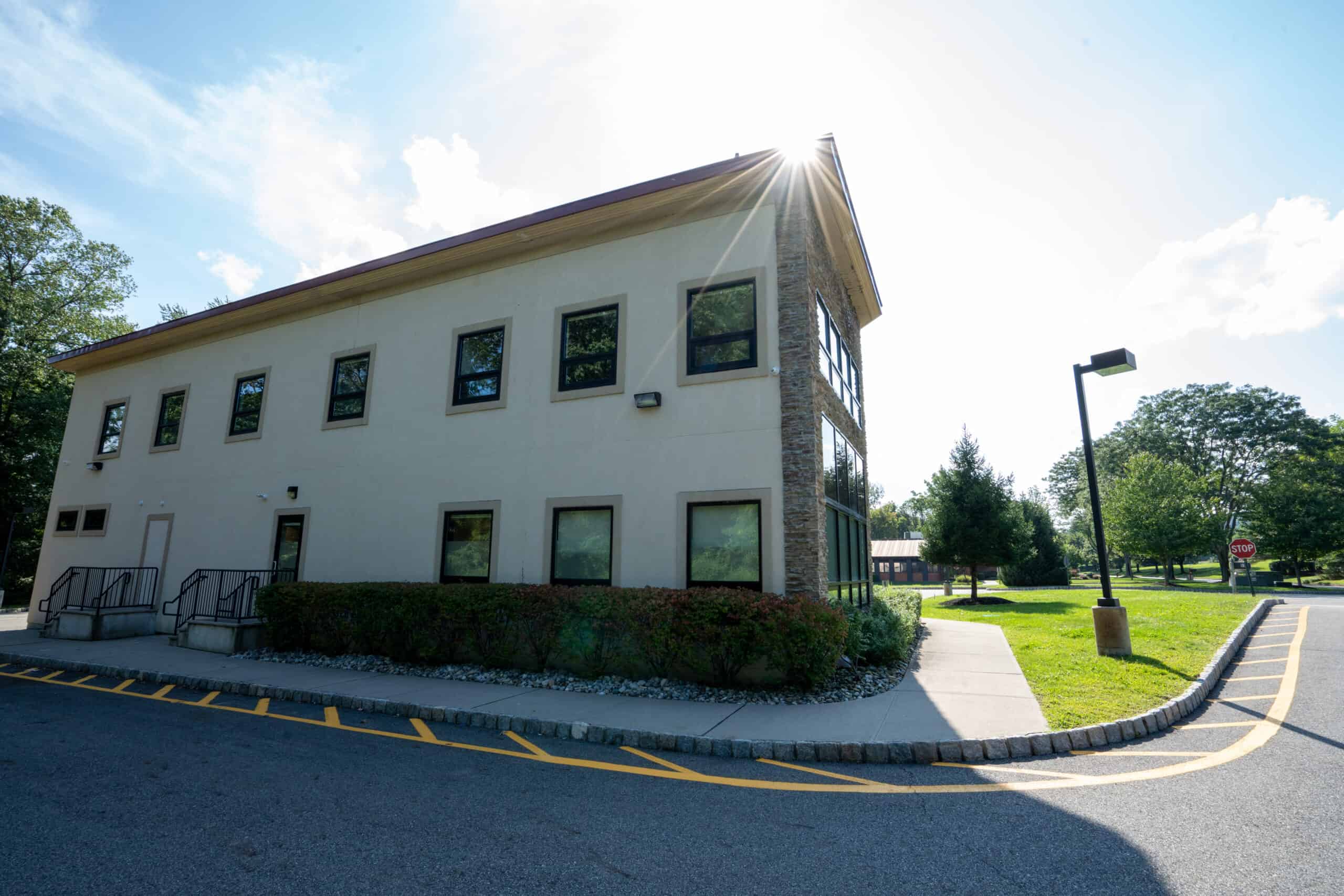
New Pathway Counseling — Pine Brook
Pine Brook, New Jersey

Guardian Virtual
Online
Communication Approach for Risk-Taking Teens
If you’re concerned about your teen, it’s important to open the lines of communication to prevent detrimental consequences down the line. Some tips to break the ice include:
- Try not to judge or criticize. Come from a place of compassion and a desire to understand, and let them know you’re there to help.
- Don’t minimize their problems. You may think you remember what it was like to be a teen, but it’s not helpful to say things like “When I was your age…”
- Focus on “I” statements to share your observations, such as “I’ve noticed that you’re hanging out with a different group of friends,” or “I was concerned that you broke curfew last night.”
- Ask questions, don’t assume. Ask them if they’d like to share anything with you. If not, don’t press the issue. Come back to the conversation at a later date.
- Set limits and consequences. Just because you’re taking a compassionate approach doesn’t mean you’re a pushover. Let them know the rules and what type of behavior you will and will not tolerate.
If your teen is engaging in risky behaviors or substance use, we are here to help, and you don’t have to face this alone. Reach out to Guardian Recovery to obtain advice, learn about our teen rehab programs, and verify your insurance coverage. No matter how things might seem right now, there is always hope.
SELF-ASSESSMENT:
Do I Have an Addiction Issue?

Disclaimer: Does not guarantee specific treatment outcomes, as individual results may vary. Our services are not a substitute for professional medical advice or diagnosis; please consult a qualified healthcare provider for such matters.
- Tate C, Kumar R, Murray JM, et al. The personality and cognitive traits associated with adolescents’ sensitivity to social norms. Sci Rep. 2022;12(1):15247. Published 2022 Sep 9. doi:10.1038/s41598-022-18829-x
- Christy S. DiSC assessment impact on communication and understanding of self and team. 2018.
- UCLA Center for the Developing Adolescent. (n.d.). The Science Behind Adolescent Risk Taking and Exploration.
- Duell N, Steinberg L. Positive Risk Taking in Adolescence. Child Dev Perspect. 2019;13(1):48-52. doi:10.1111/cdep.12310
- Steinberg L. A Social Neuroscience Perspective on Adolescent Risk-Taking. Dev Rev. 2008;28(1):78-106. doi:10.1016/j.dr.2007.08.002
- Lynch SJ, Chapman C, Newton NC, Teesson M, Sunderland M. Co-development of general psychopathology and high-risk personality traits during adolescence. Dev Psychopathol. Published online December 16, 2024. doi:10.1017/S0954579424001871
- Acheson A. Behavioral processes and risk for problem substance use in adolescents. Pharmacol Biochem Behav. 2020;198:173021. doi:10.1016/j.pbb.2020.173021
- Eskander N, Chakrapani S, Ghani MR. The Risk of Substance Use Among Adolescents and Adults With Eating Disorders. Cureus. 2020;12(9):e10309. Published 2020 Sep 8. doi:10.7759/cureus.10309
- Meyers JL, Dick DM. Genetic and environmental risk factors for adolescent-onset substance use disorders. Child Adolesc Psychiatr Clin N Am. 2010;19(3):465-477. doi:10.1016/j.chc.2010.03.013
- Whitesell M, Bachand A, Peel J, Brown M. Familial, social, and individual factors contributing to risk for adolescent substance use. J Addict. 2013;2013:579310. doi:10.1155/2013/579310
- Youth.gov. (n.d.). Risks and Protective Factors.
- Winters KC, Arria A. Adolescent Brain Development and Drugs. Prev Res. 2011;18(2):21-24.