Reintegration Stage

What is addressed?
- Practical application of recovery tools in day-to-day life
- Secure employment, go to school or volunteer
- Be of service to a recovery community
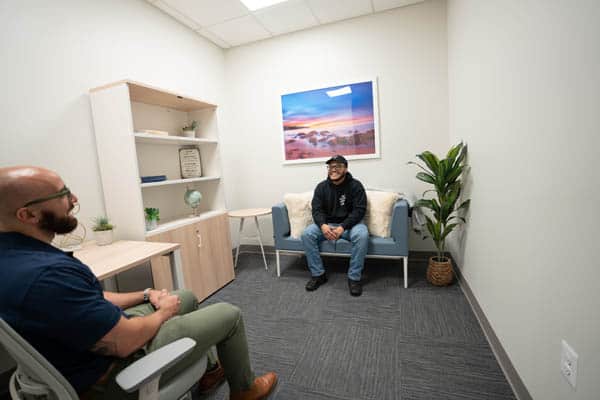
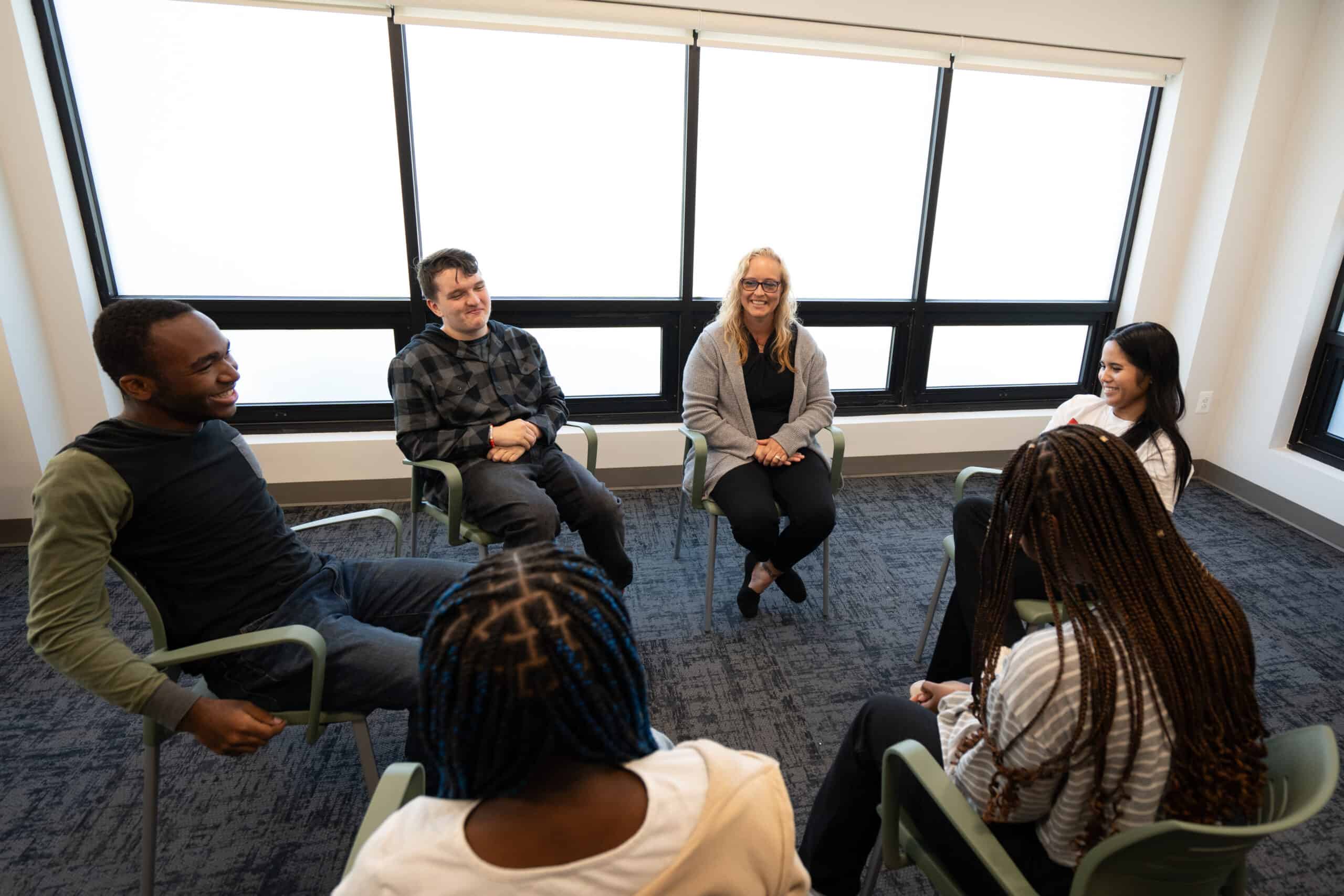
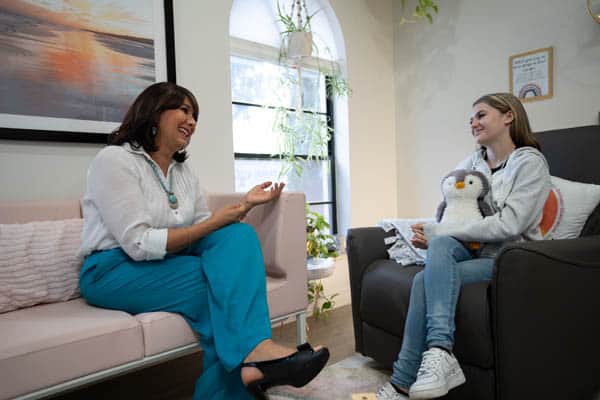
- Participate in ongoing individual, group & family therapy
- Continue healing
How long is the Motivation Stage?
A client’s duration in this stage is based on what is deemed clinically appropriate. Typically lasts 60+ days.
Goals
- Increase self confidence & integrity
- Develop responsible routine
- Stay active in recovery community
- Progress toward personal life goals like work or school
What Services?
Reintegration Stage Summarized
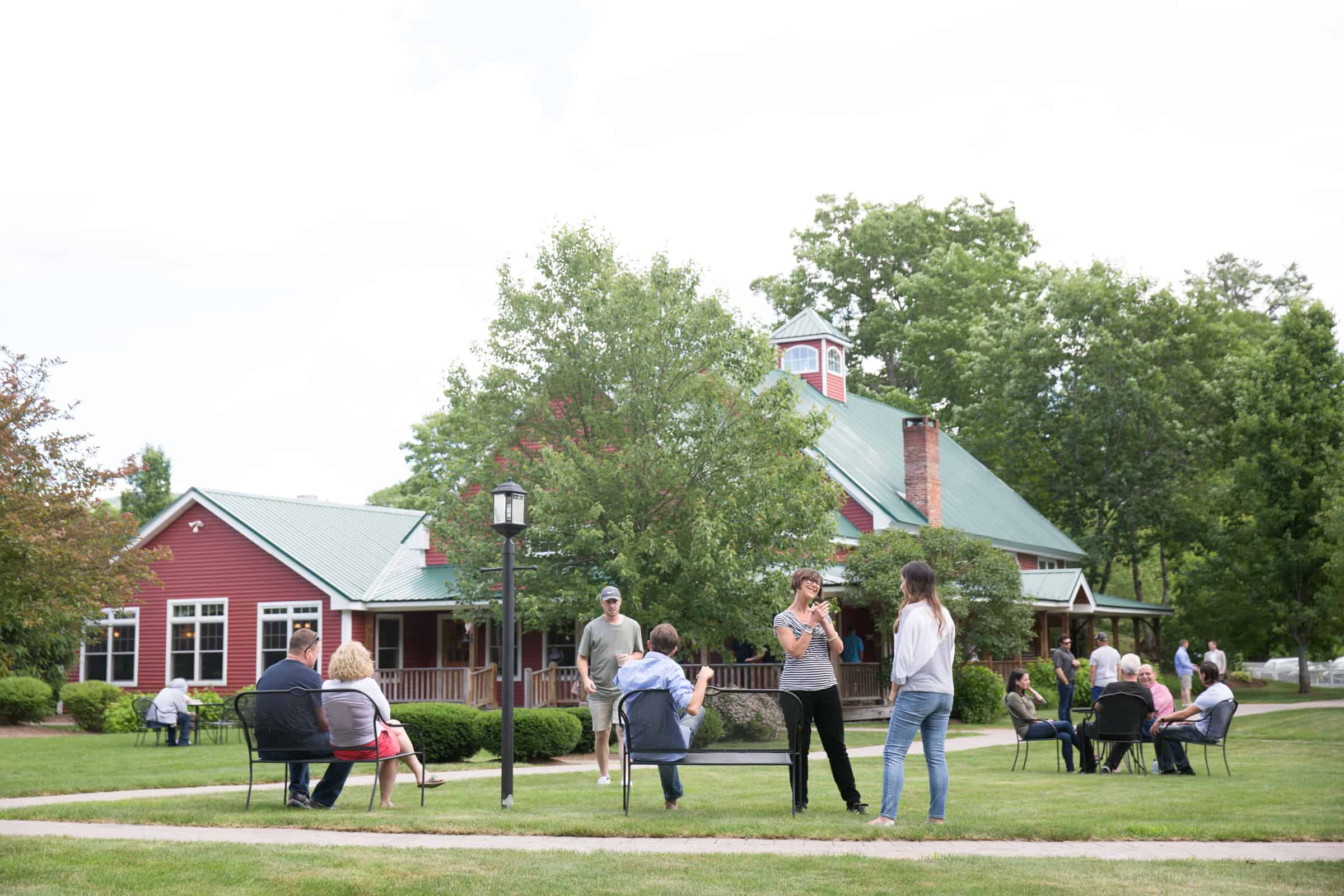
While in the stabilization and motivation stages of the Guardian Path, clients are used to a highly structured life with little freedom to stray into old behaviors or encounter temptation. In stage 3, clients are learning to slowly re-integrate into the world-at-large. This stage is considered the most critical, challenging and risky period of one’s early recovery. It is when clients learn to actually utilize the tools they learned throughout the first two stages.
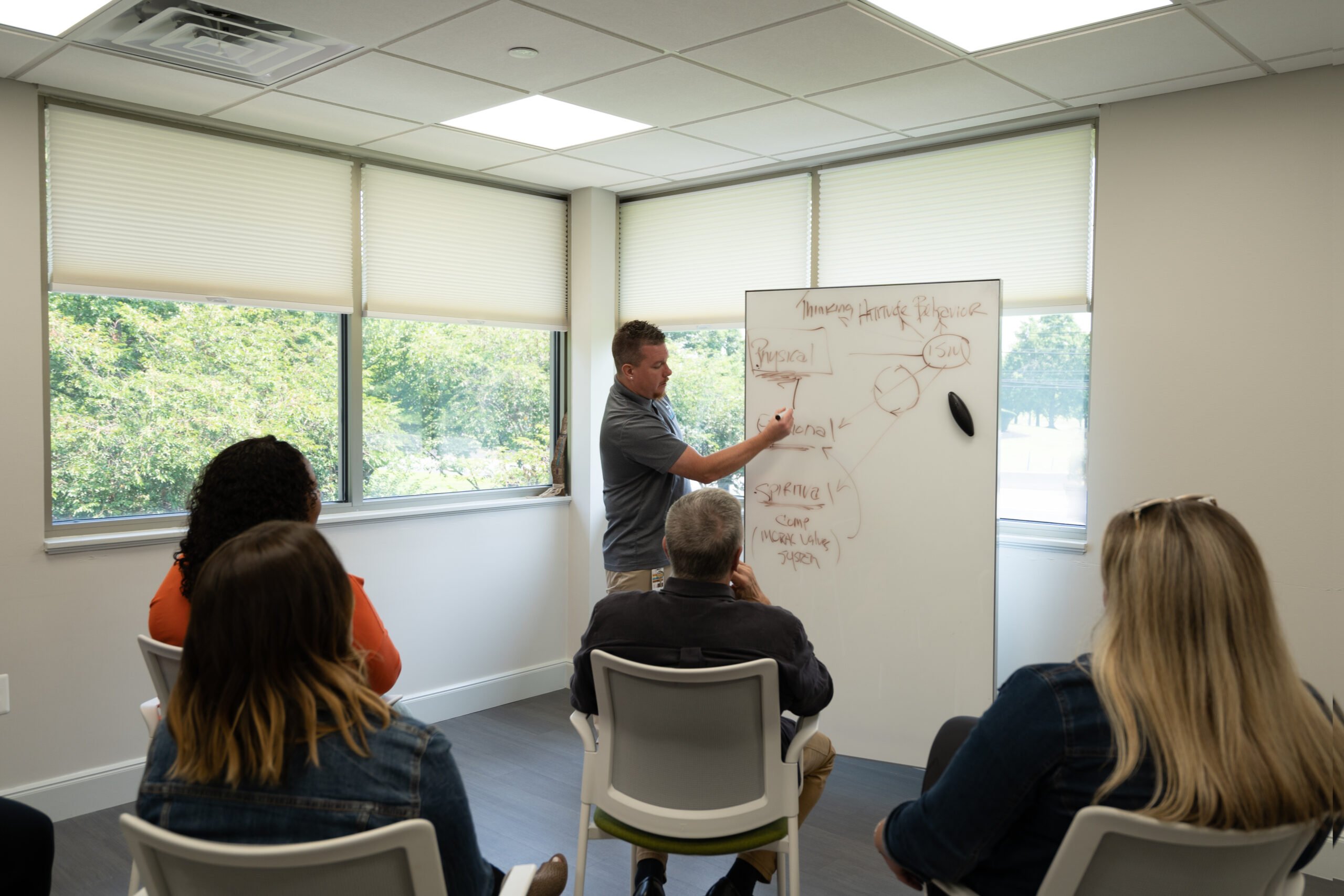
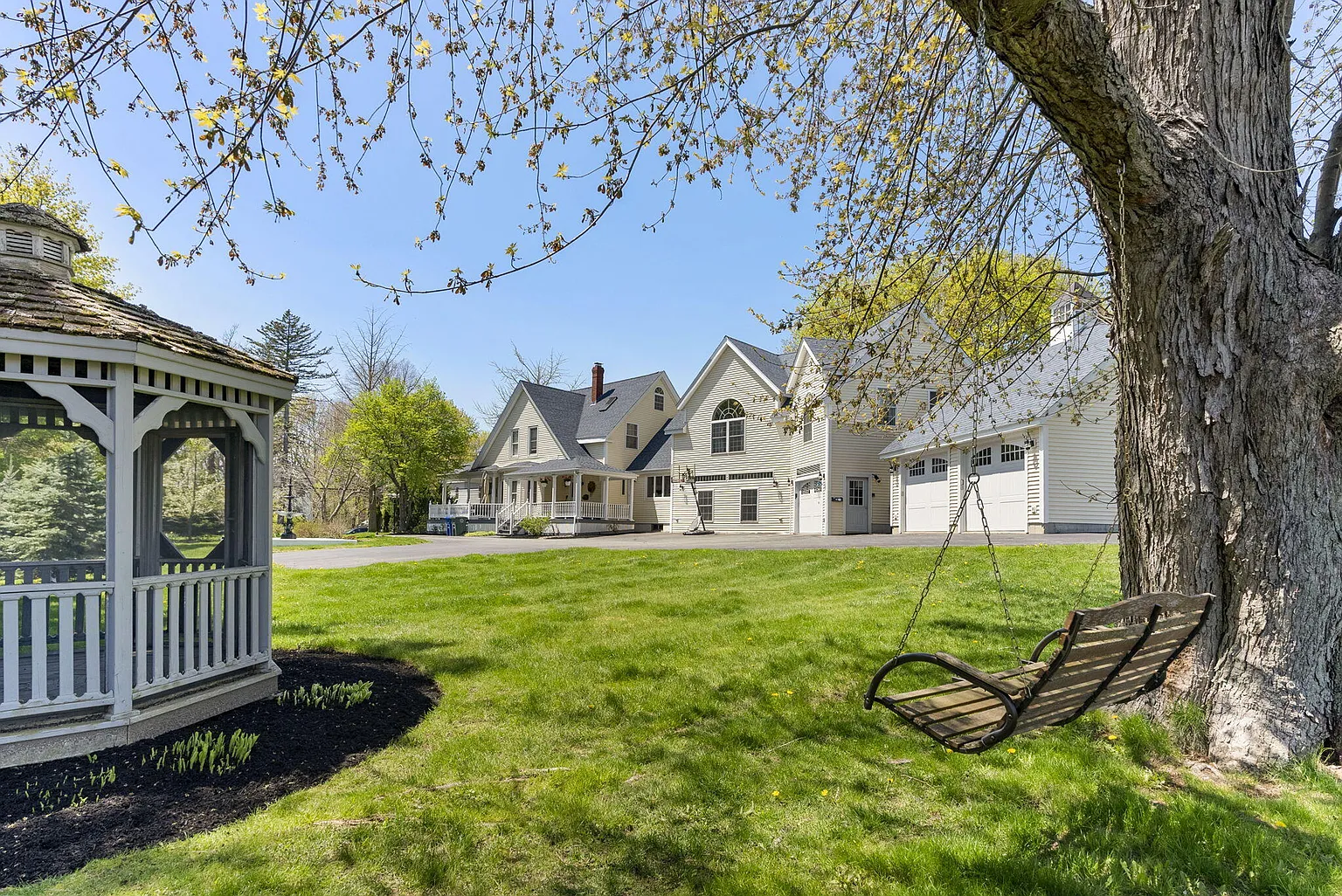
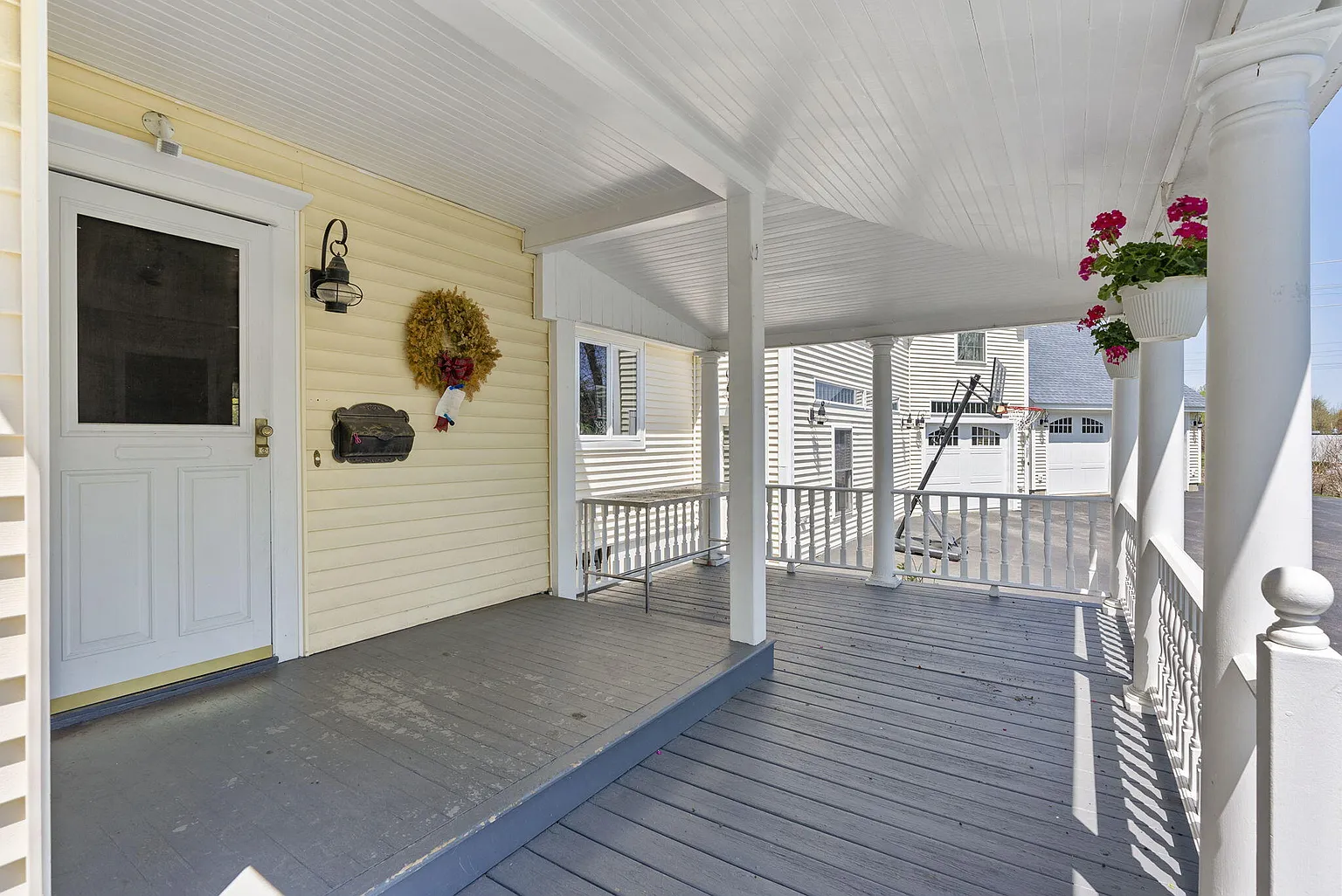
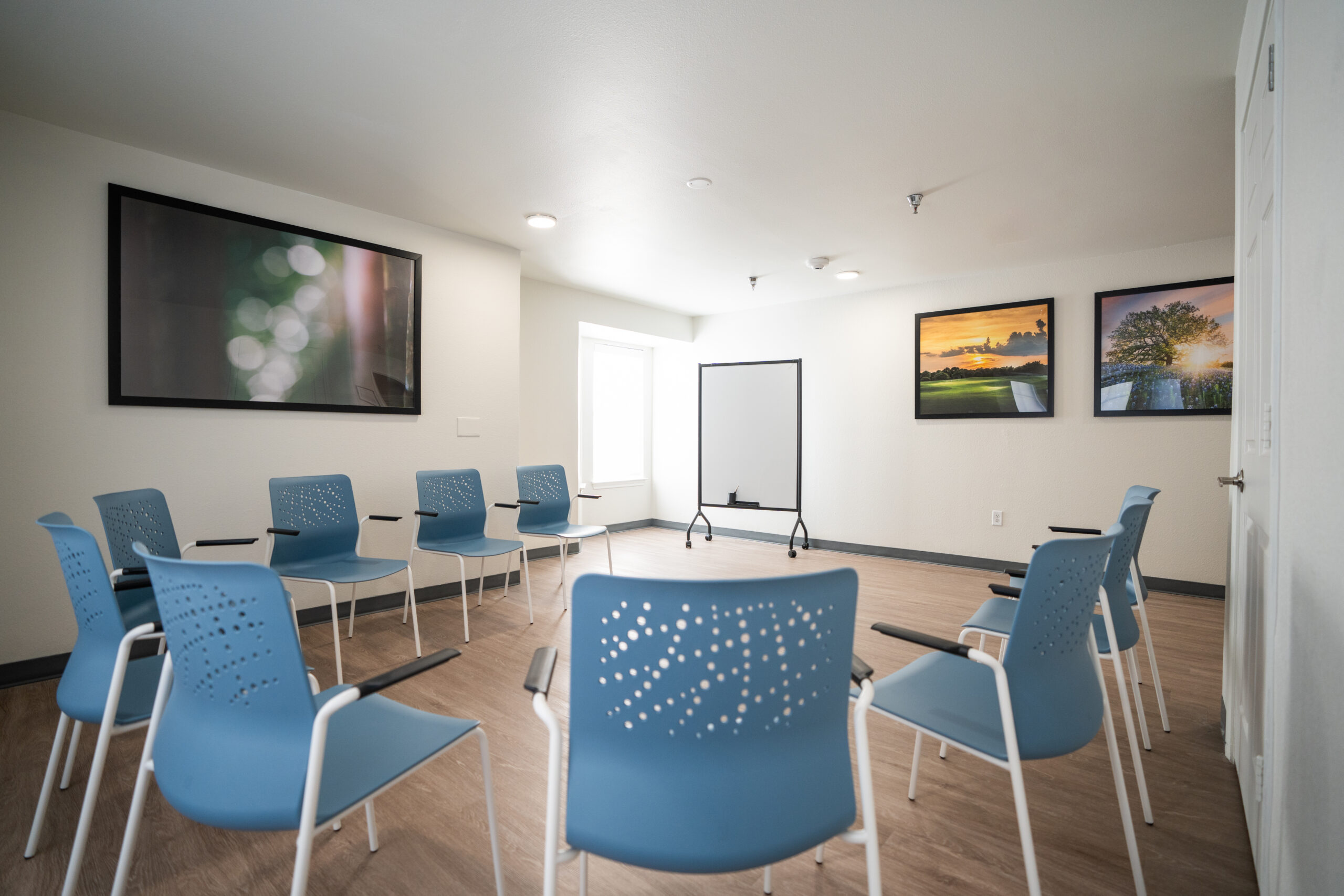
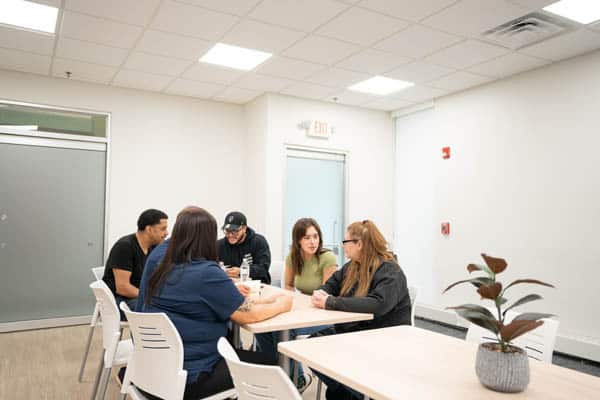
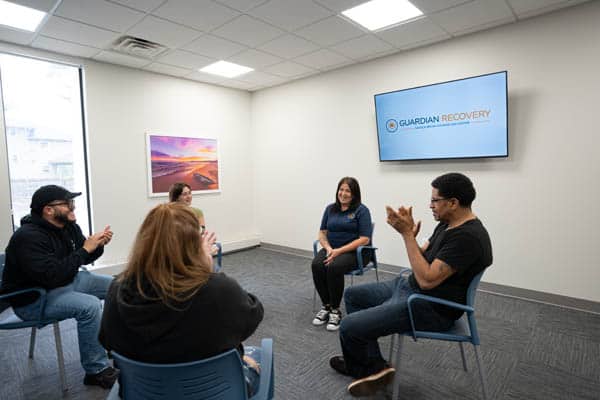
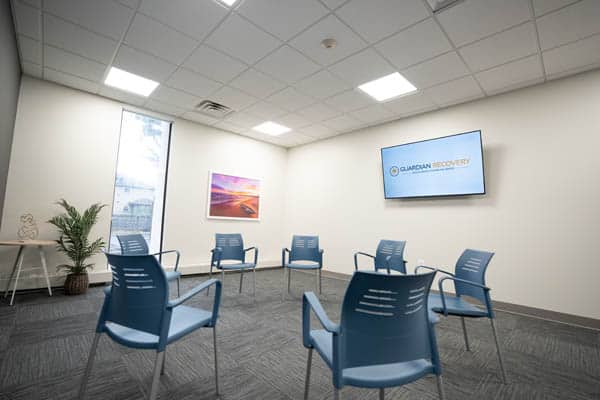
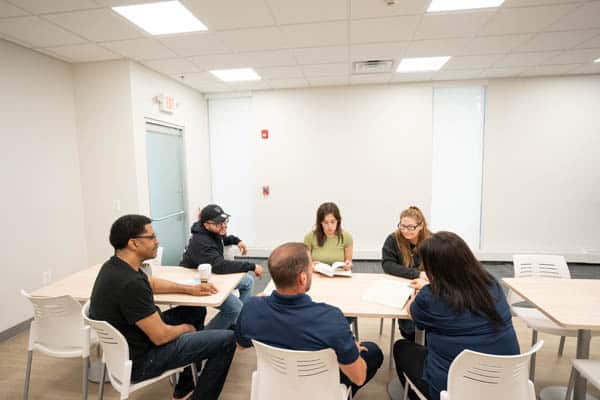
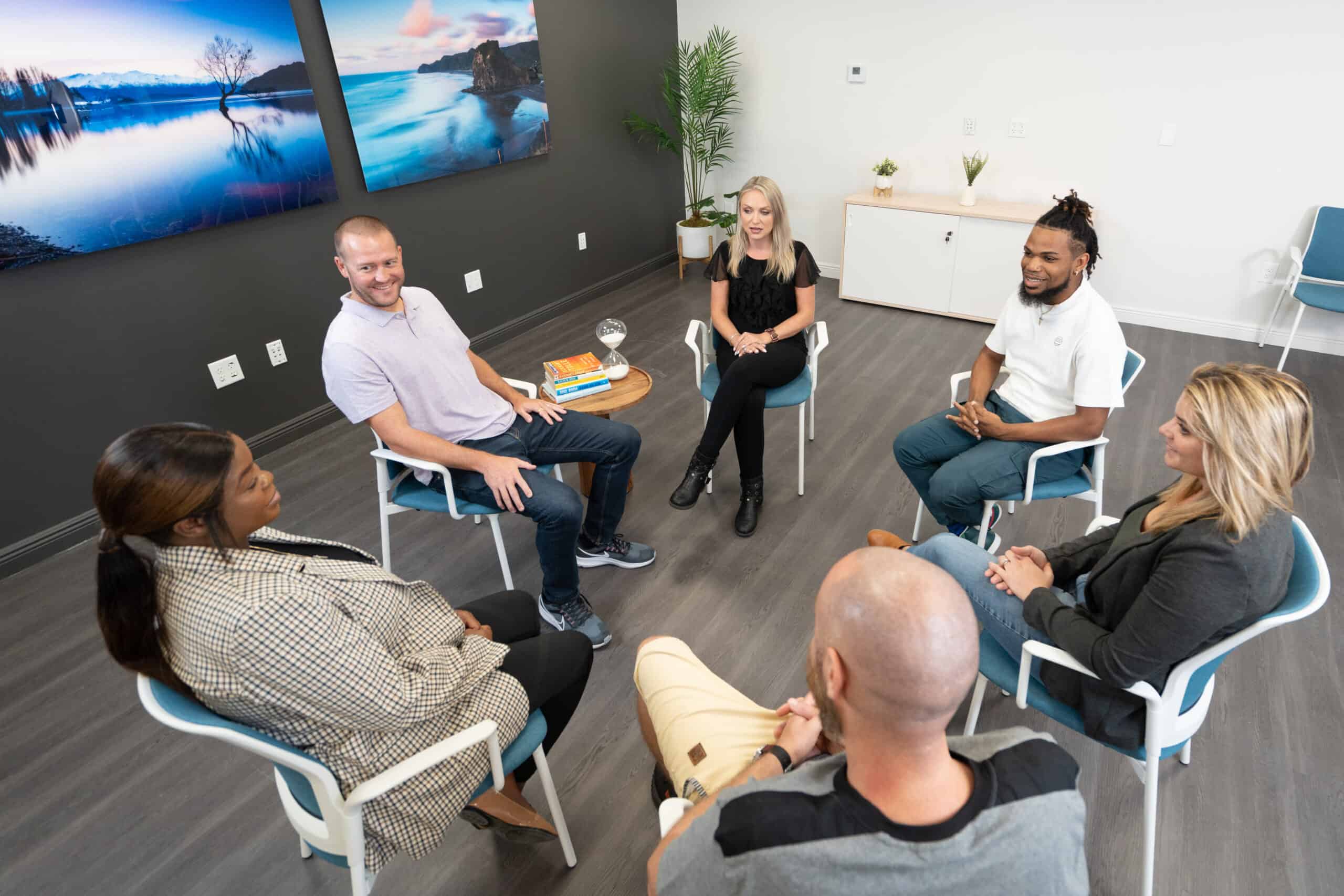
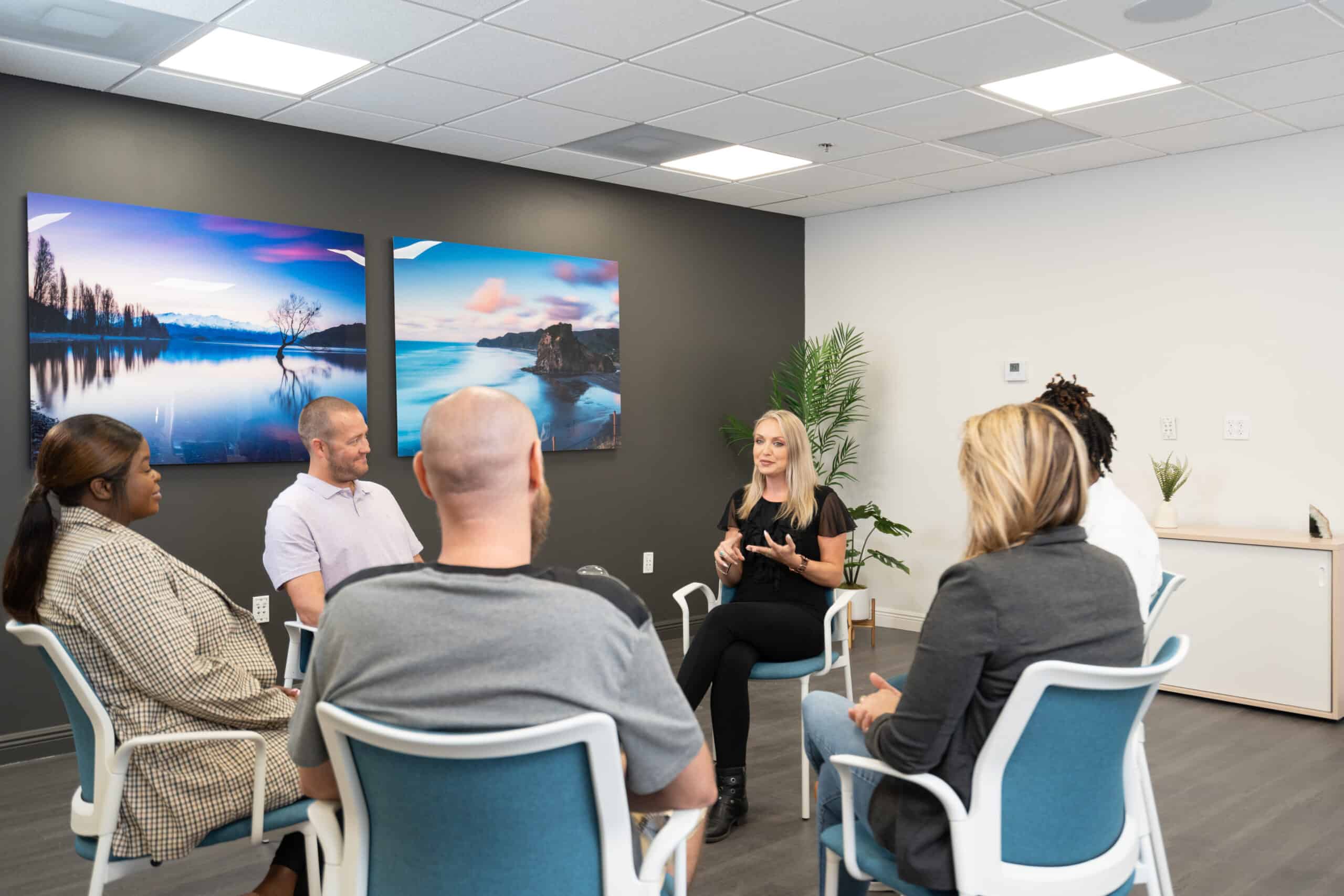
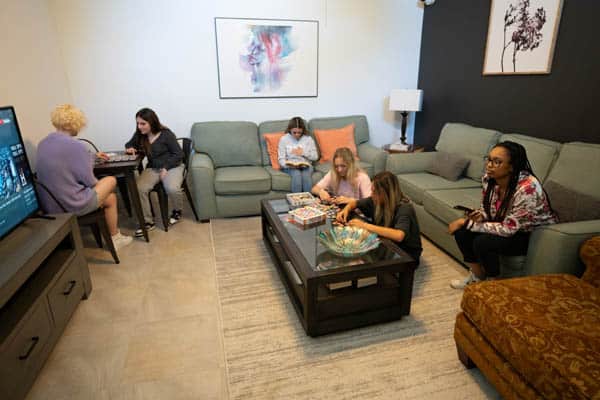
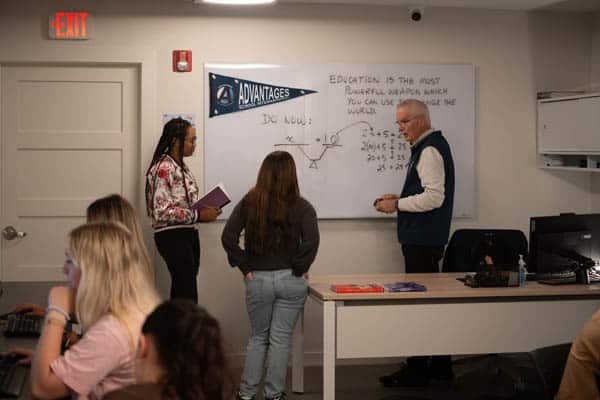
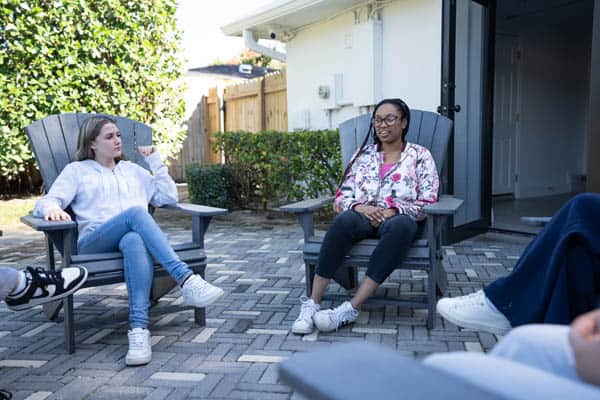
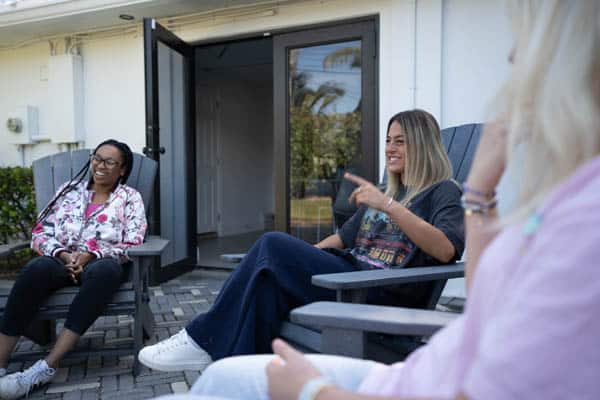
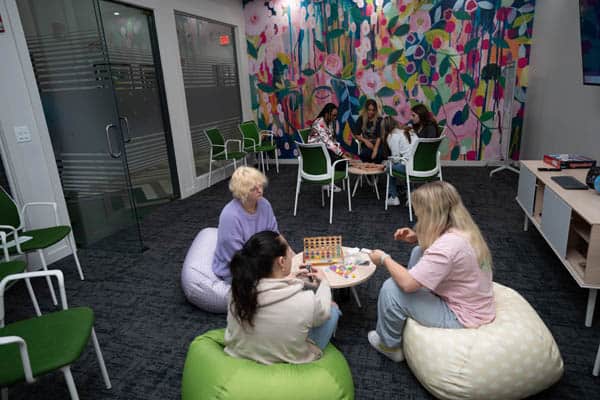
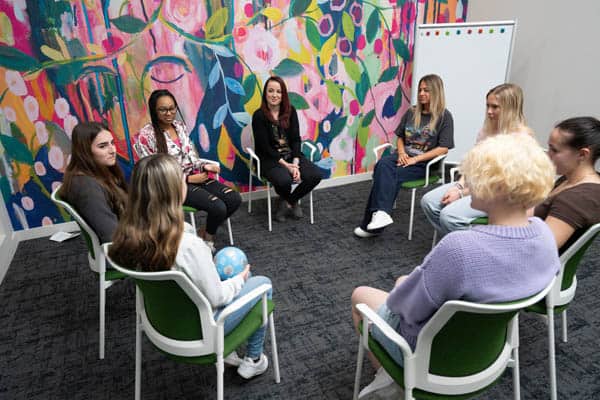
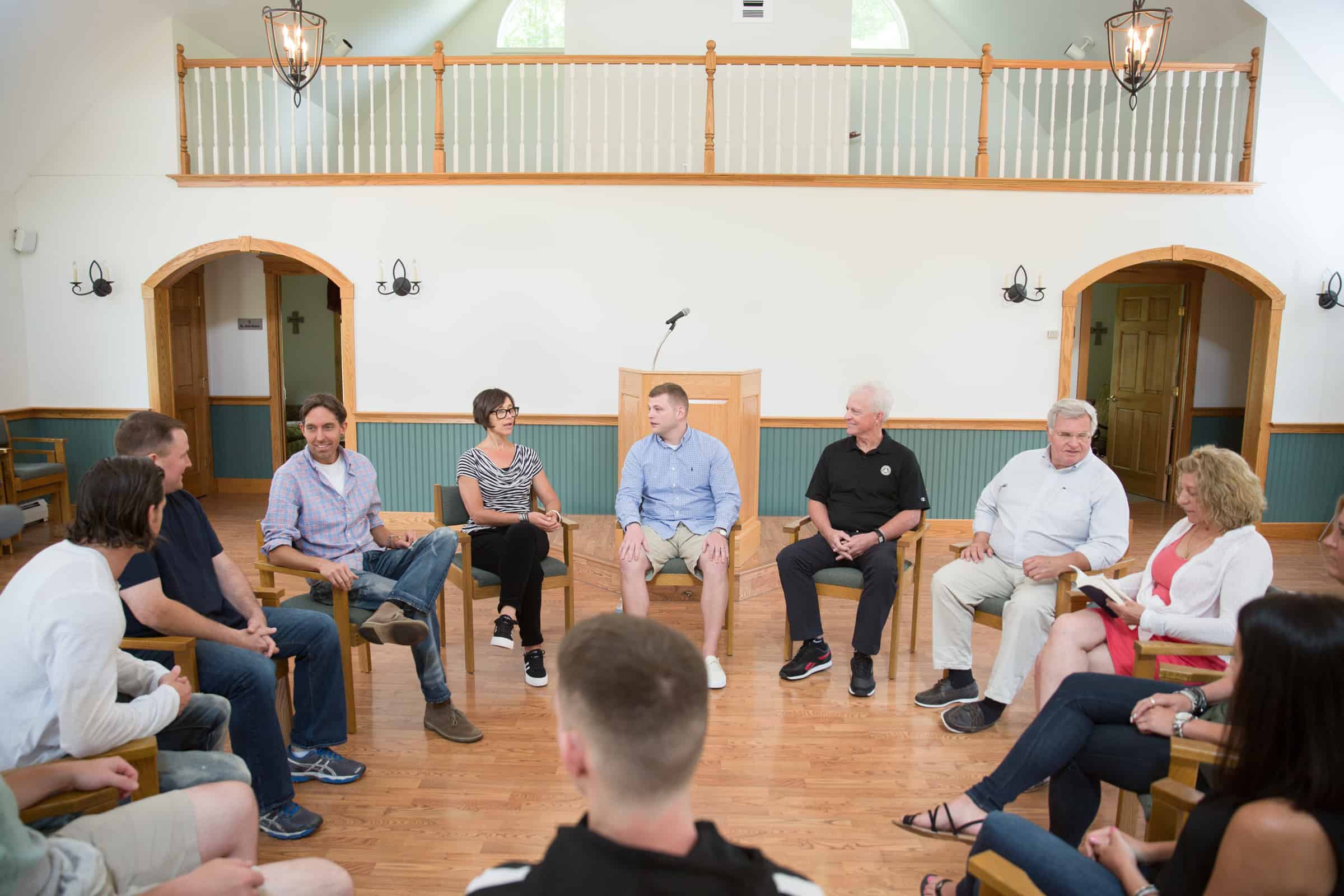
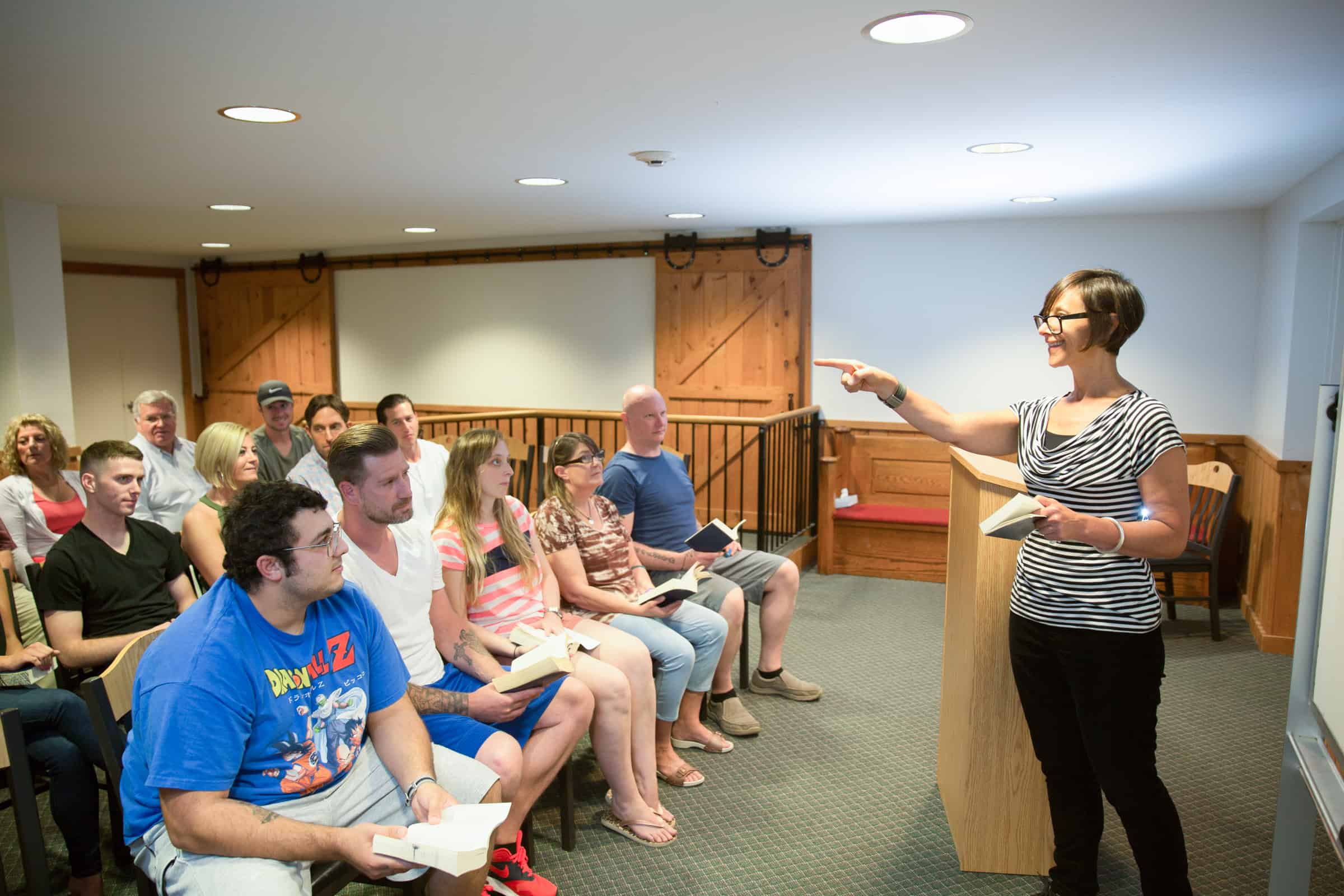
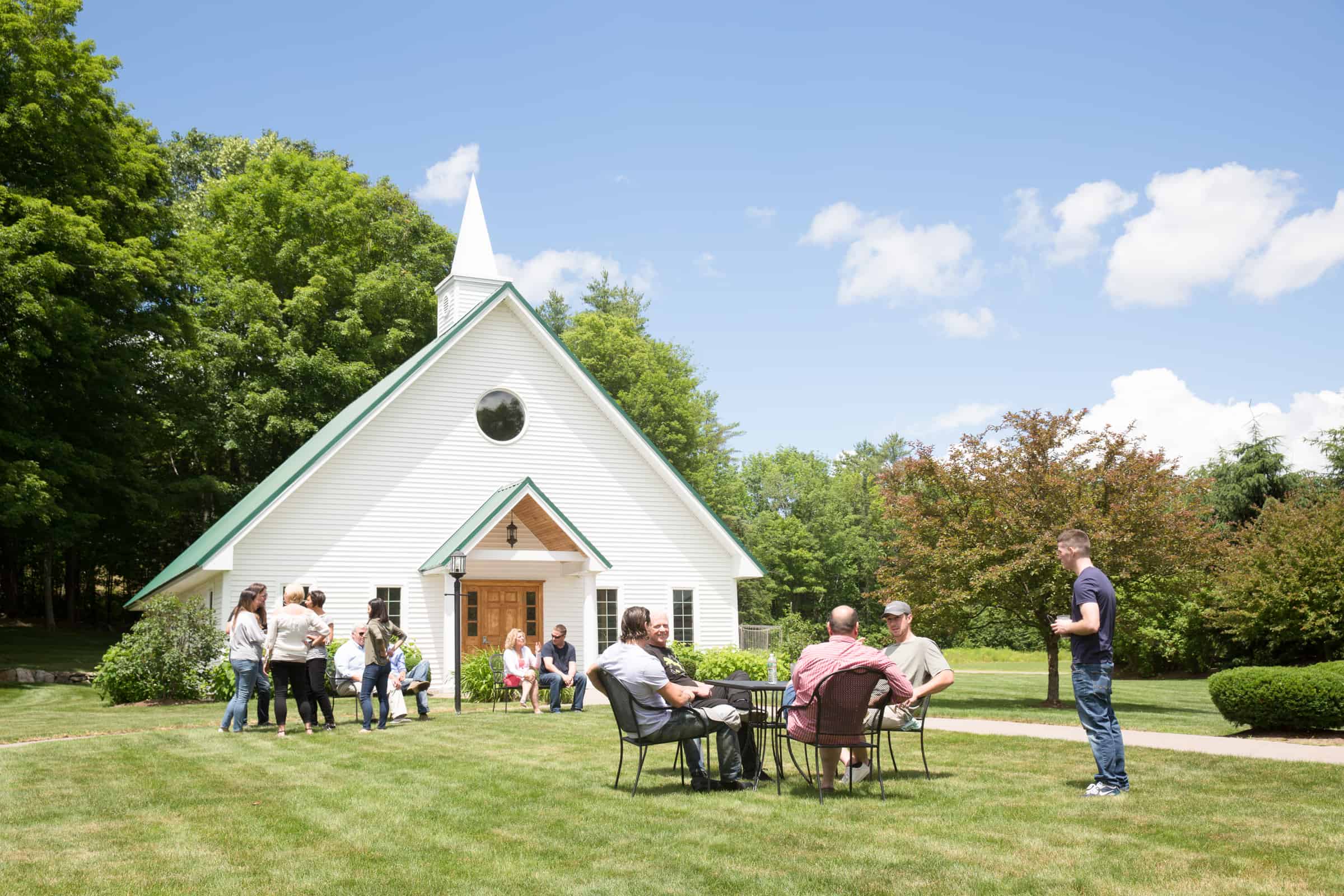
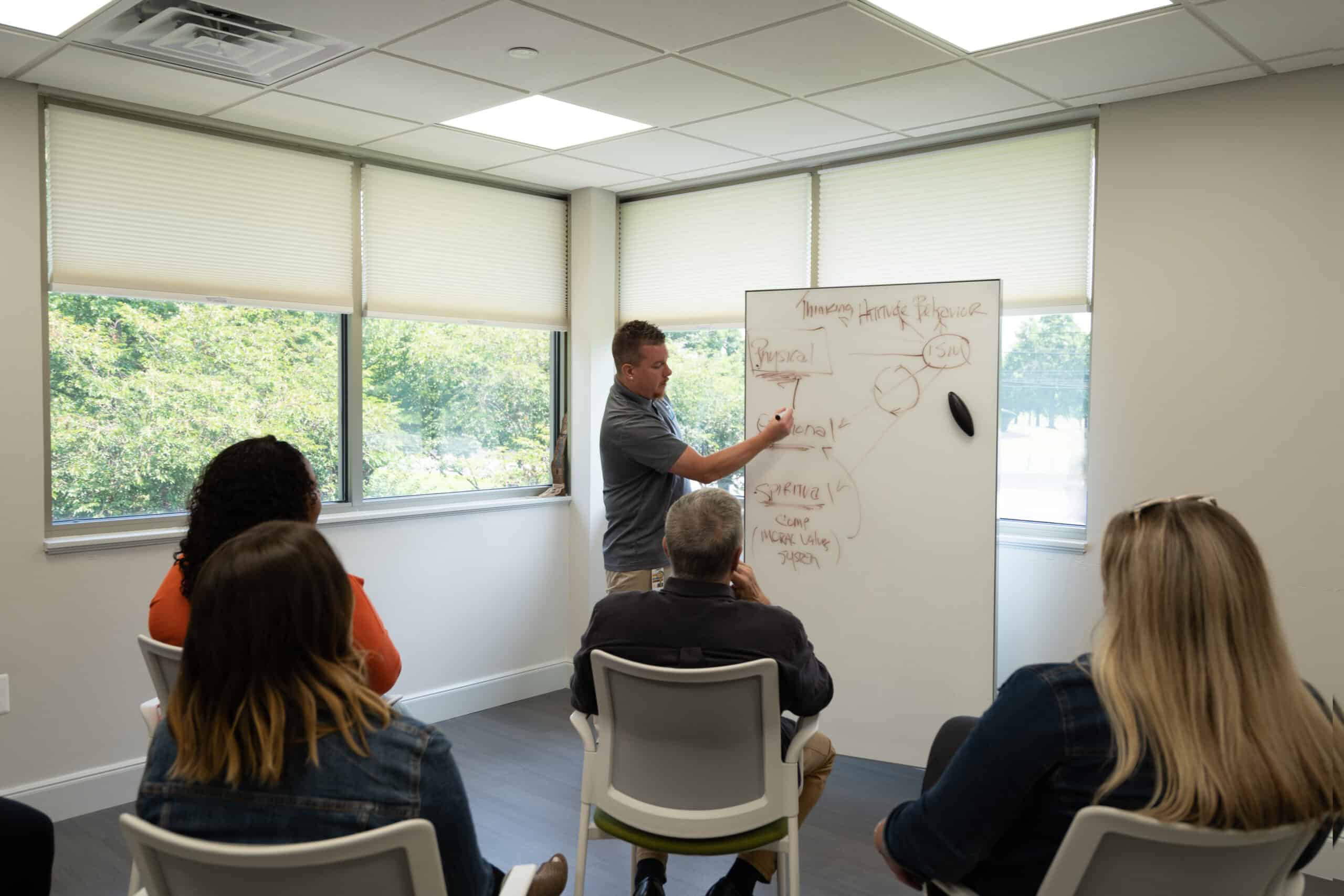
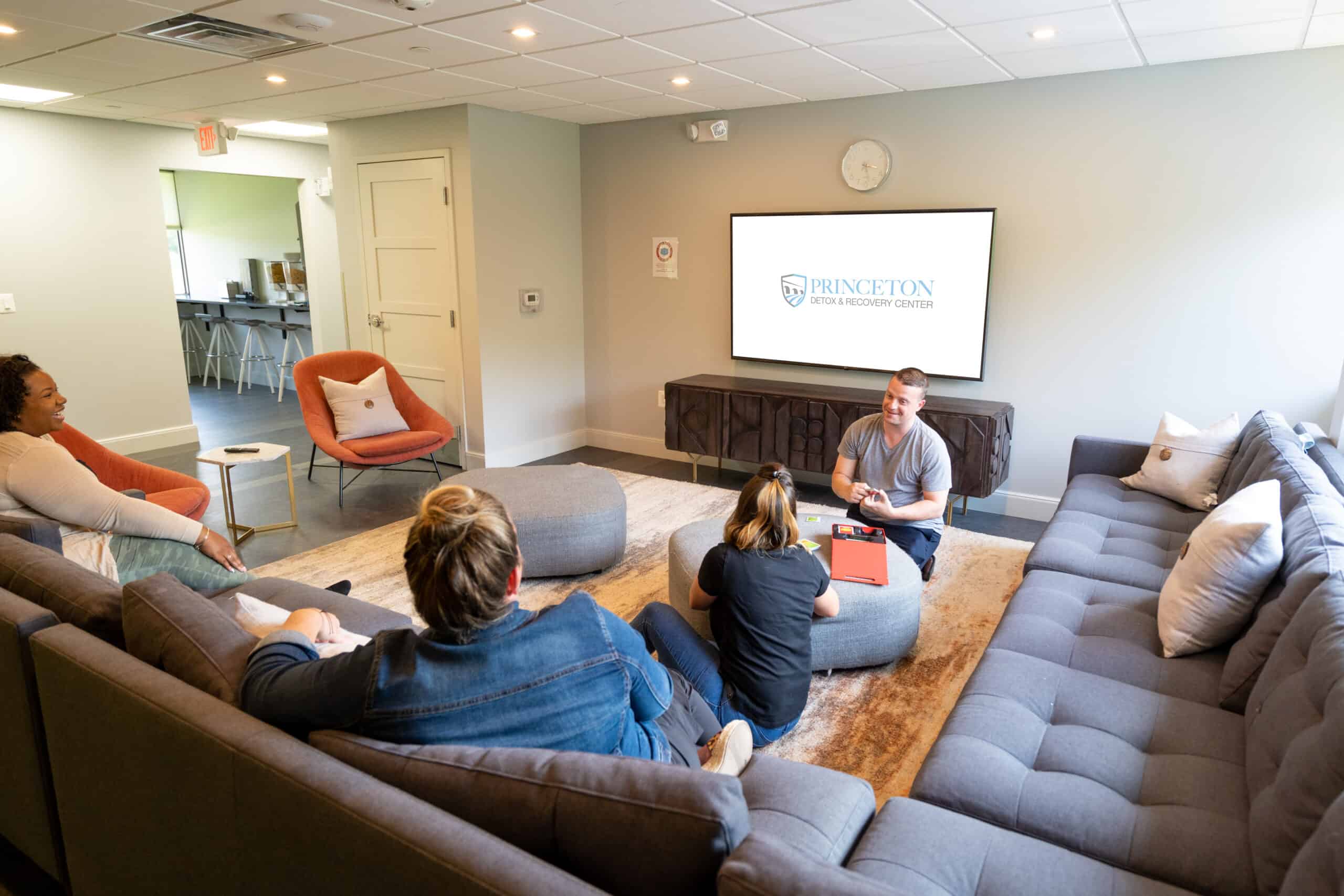
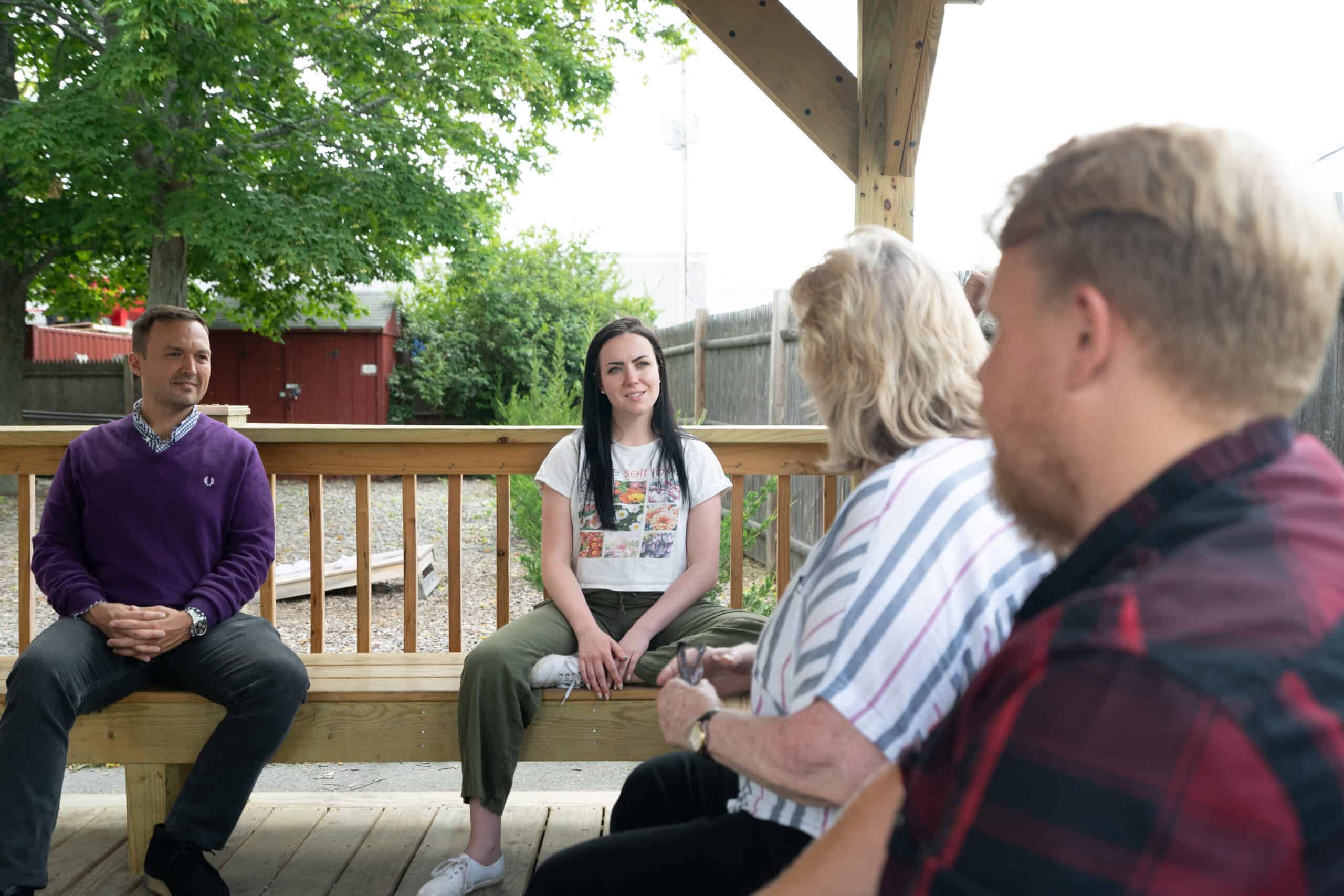
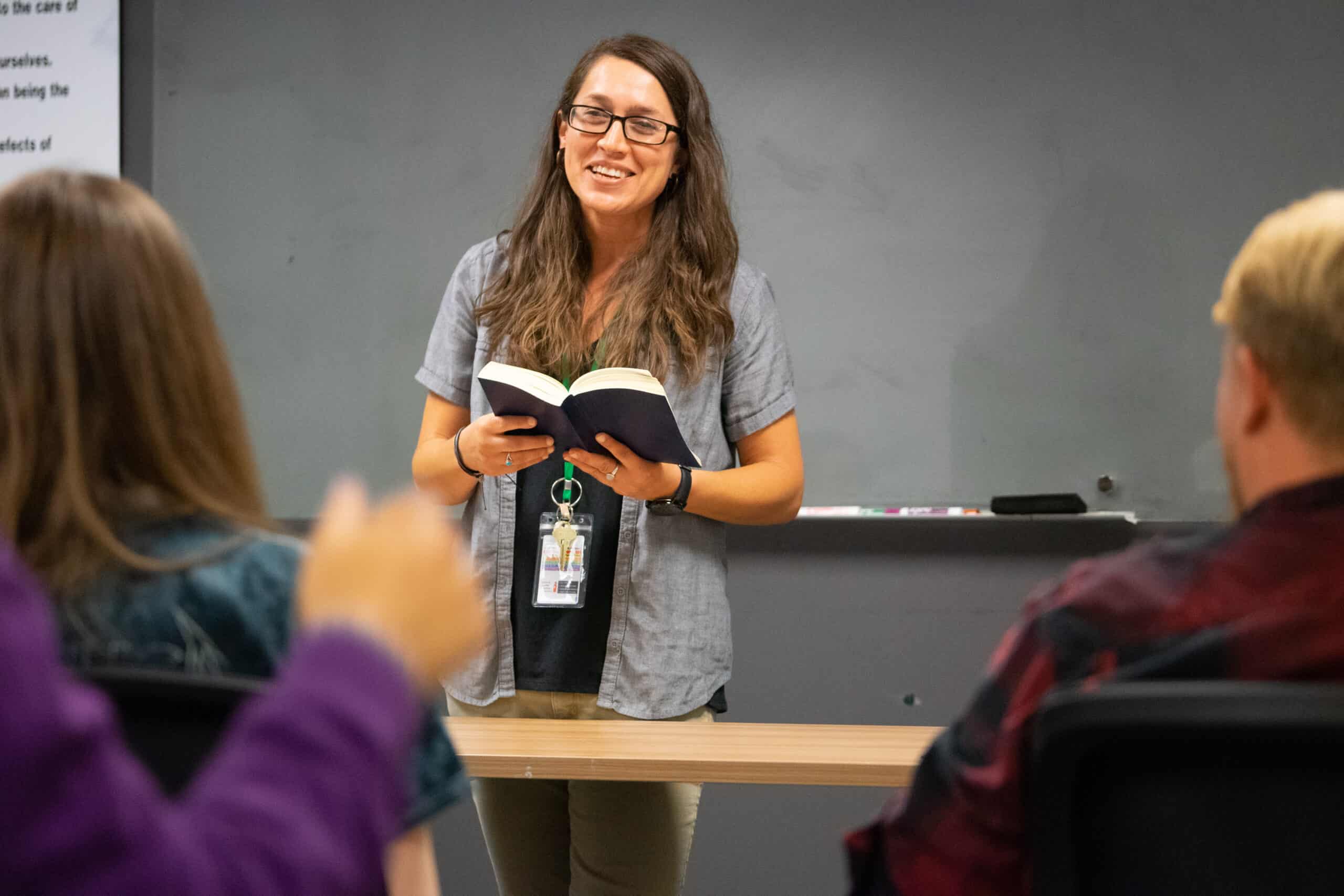
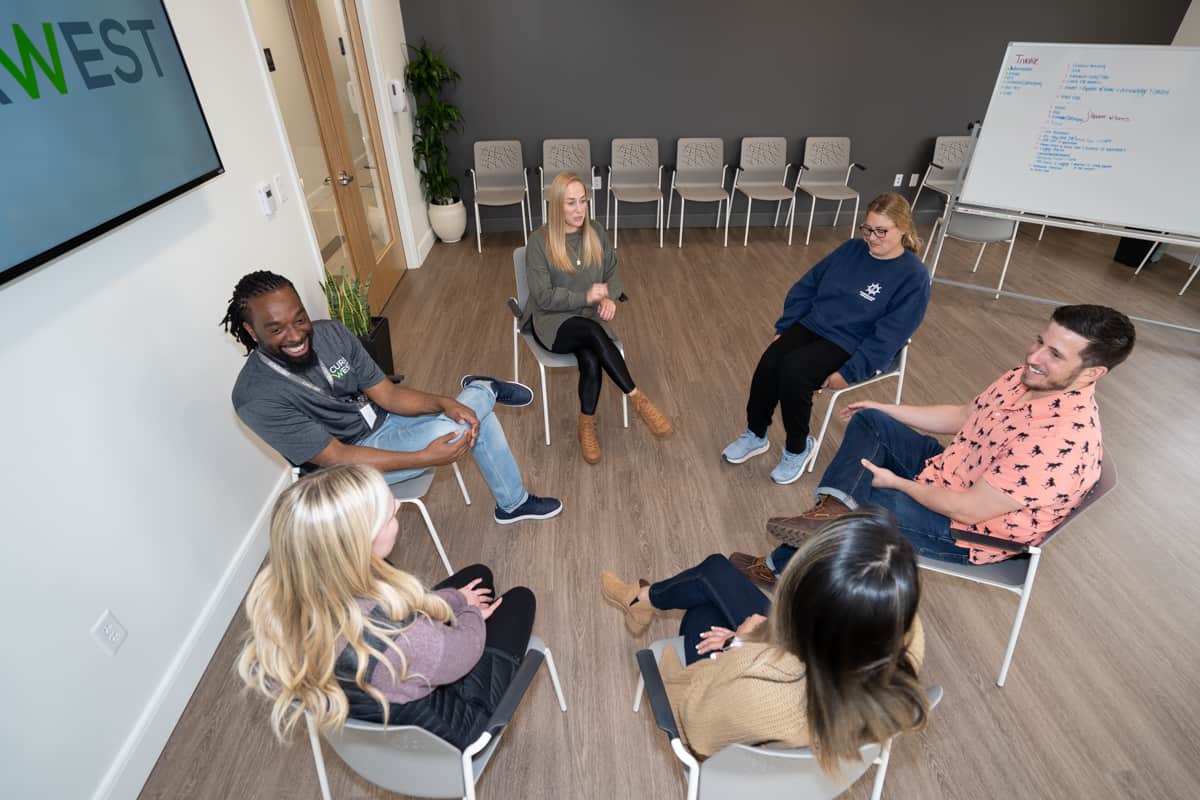
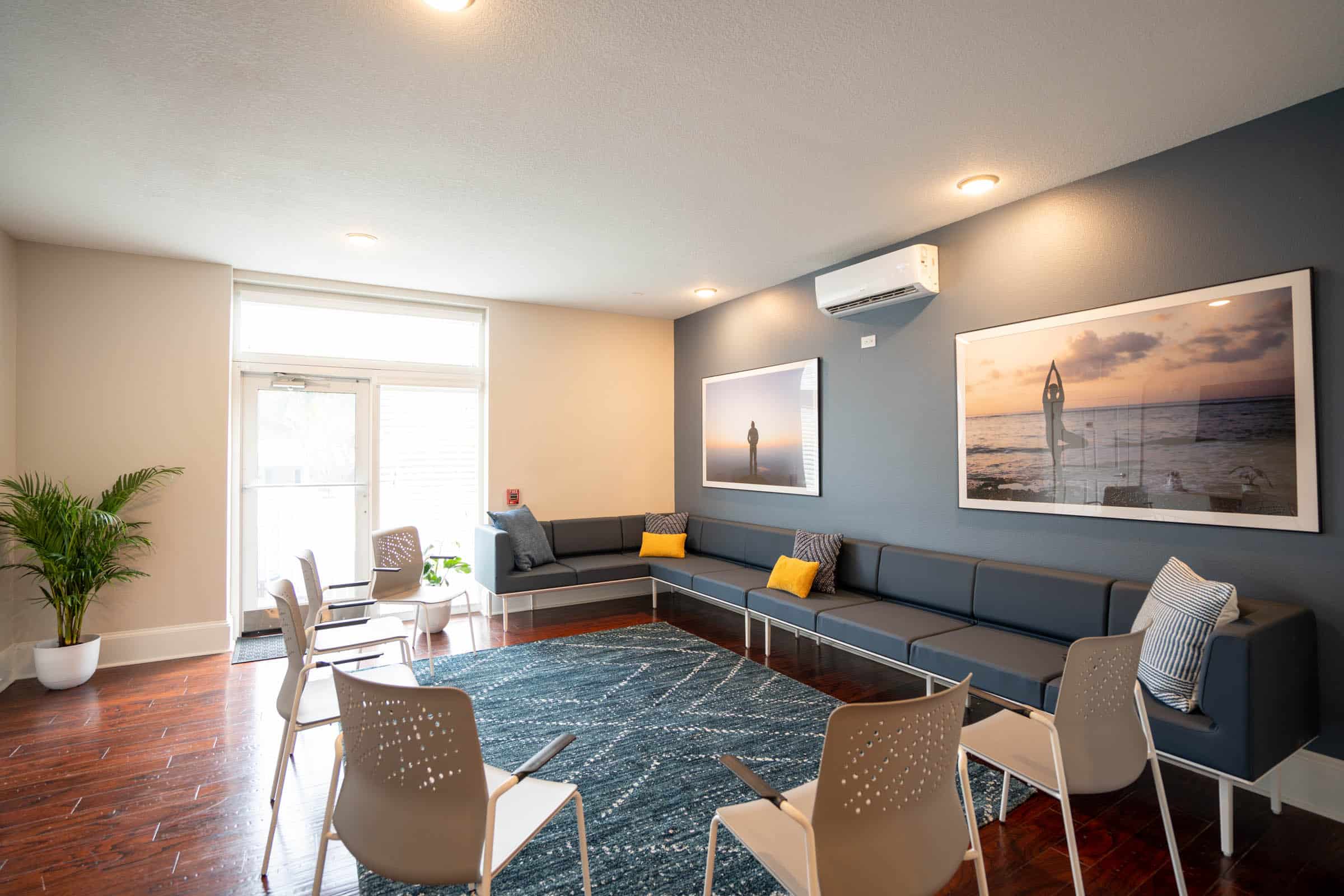
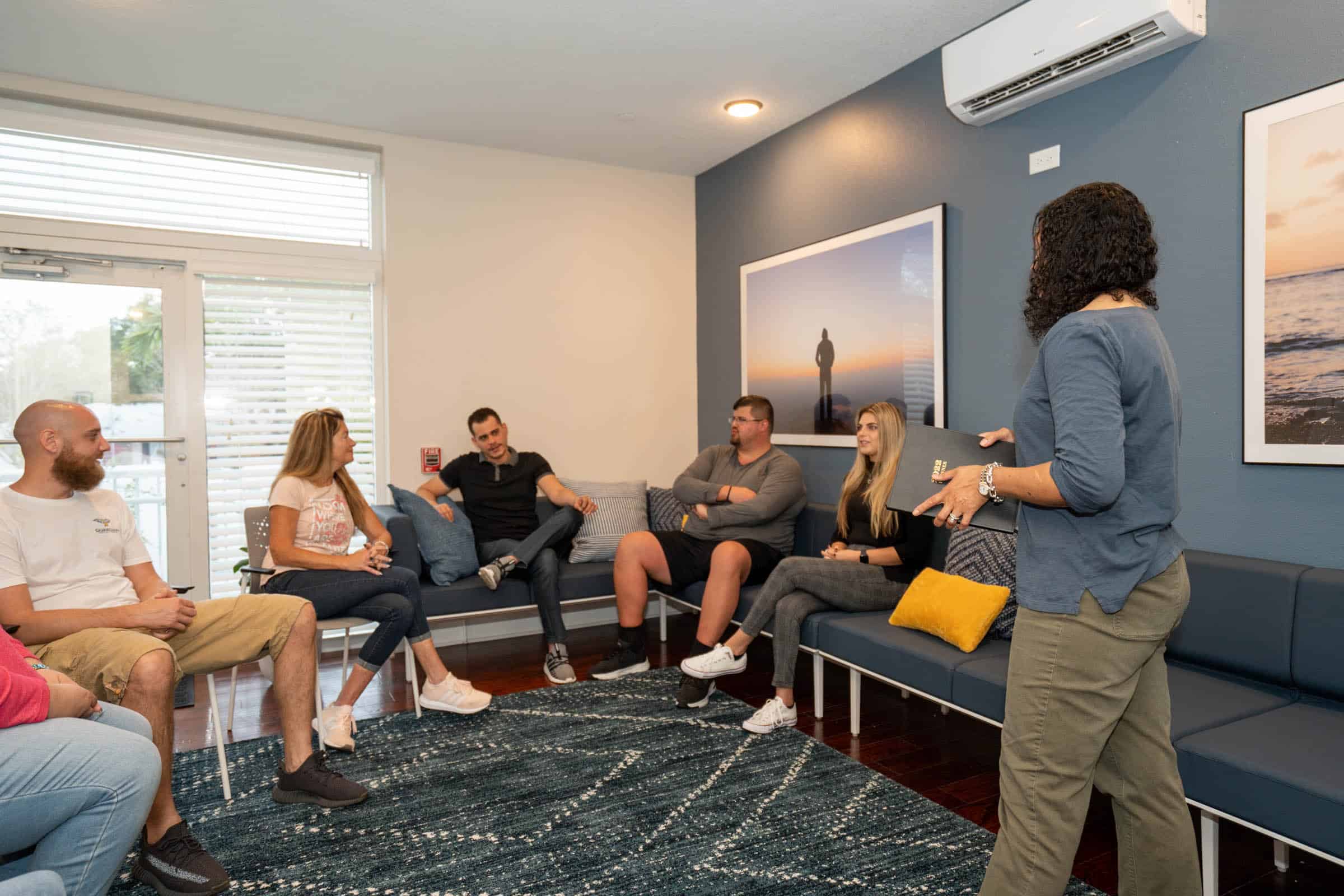
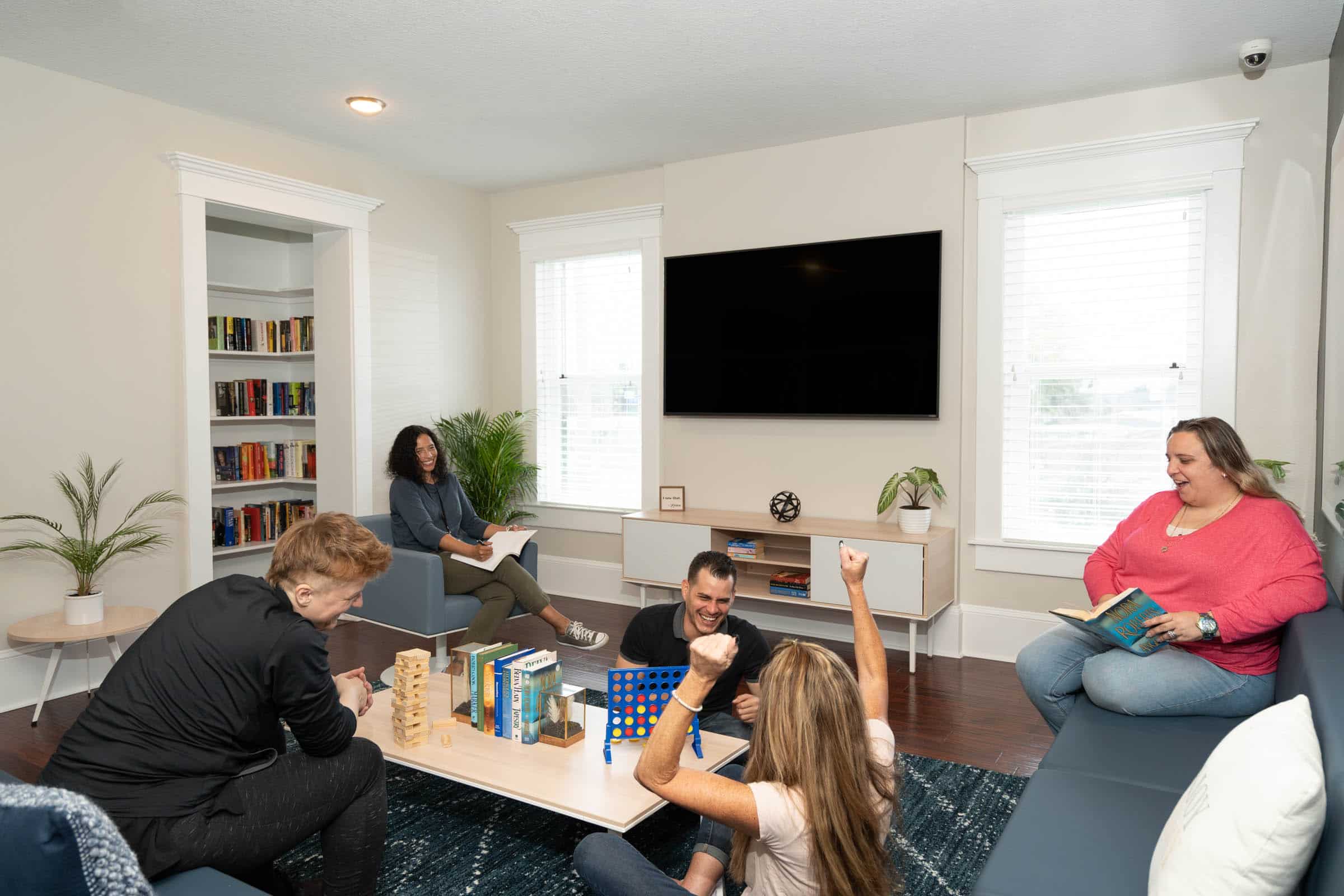
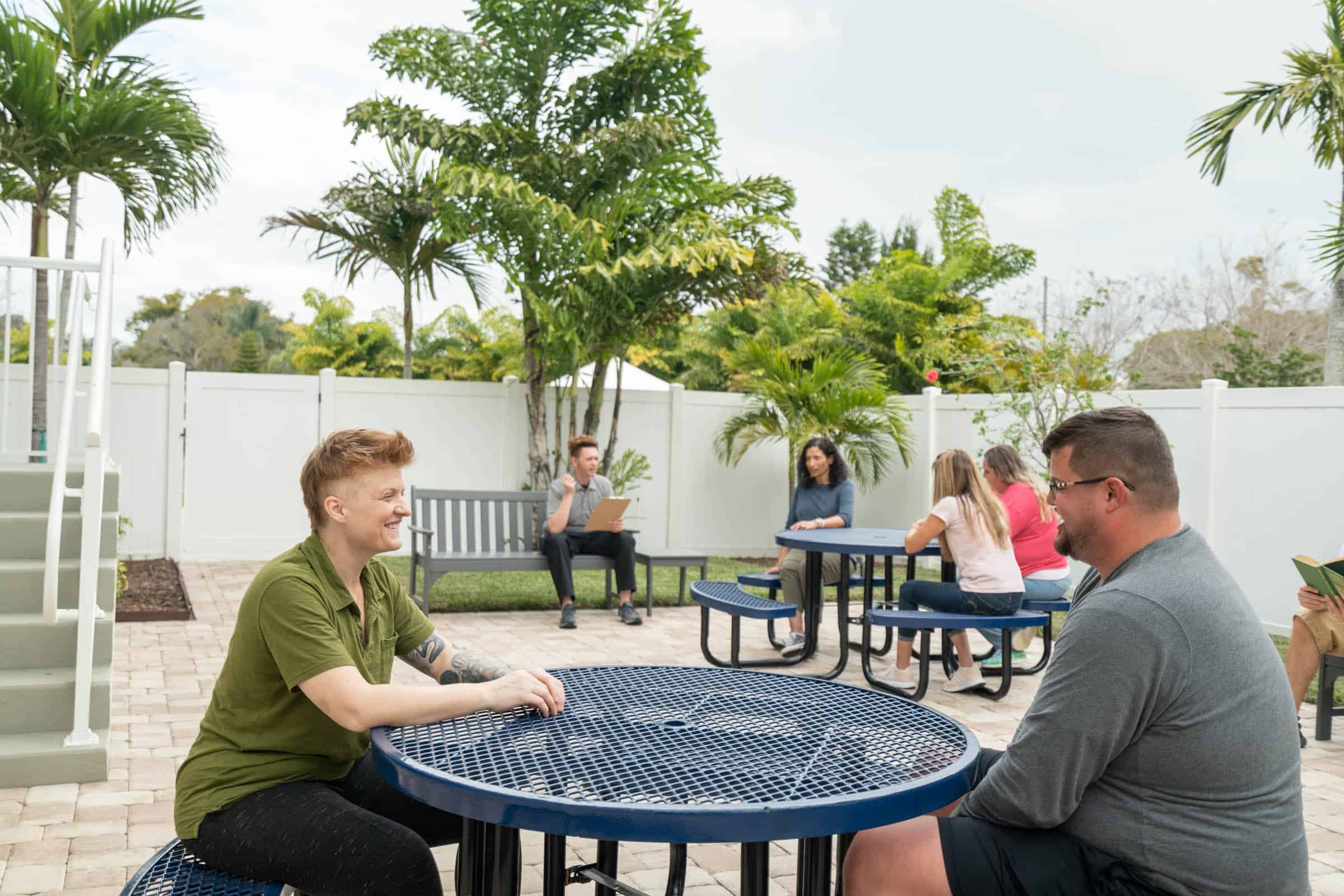
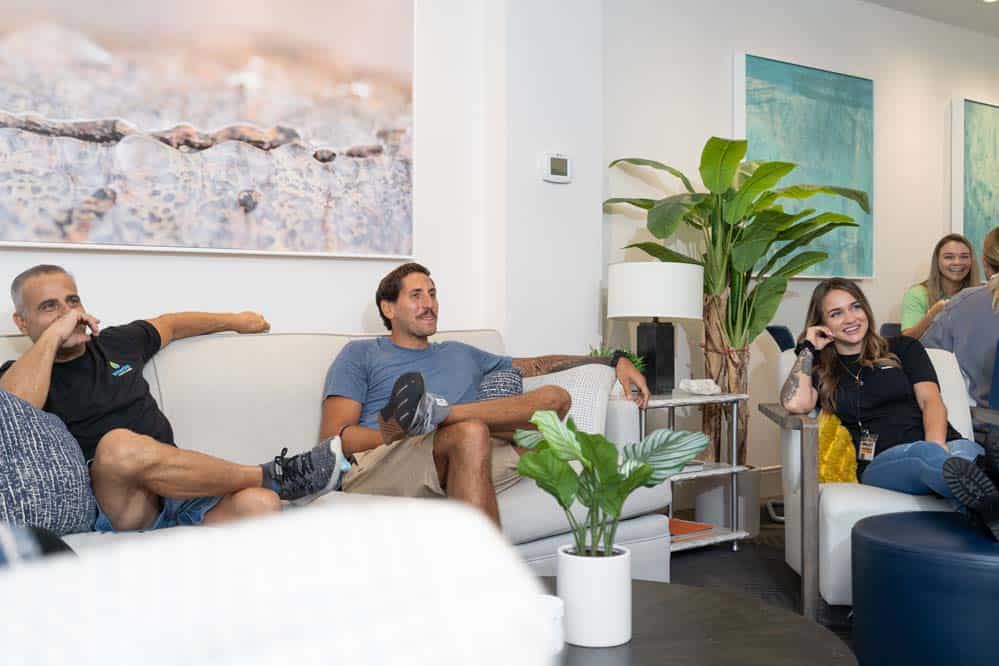
During this stage, an individual generally lives in a sober living home or in their own home (so long as it is a healthy environment). Clients will start to work, attend school, or volunteer throughout the week while also participating in one of Guardian Recovery’s intensive outpatient (IOP) groups several times a week, for a few hours each time. Clients are encouraged to incorporate outside recovery meetings, attend one group every week (a home group), have a service position and build sober support in the recovery community of their choosing. Clients are also encouraged to get some sort of physical activity, and have some fun with other sober peers. This stage of recovery is when an individual starts to learn how to actually live sober. They begin to establish healthy habits, routine and self-discipline. They begin to experience the fruits of recovery.
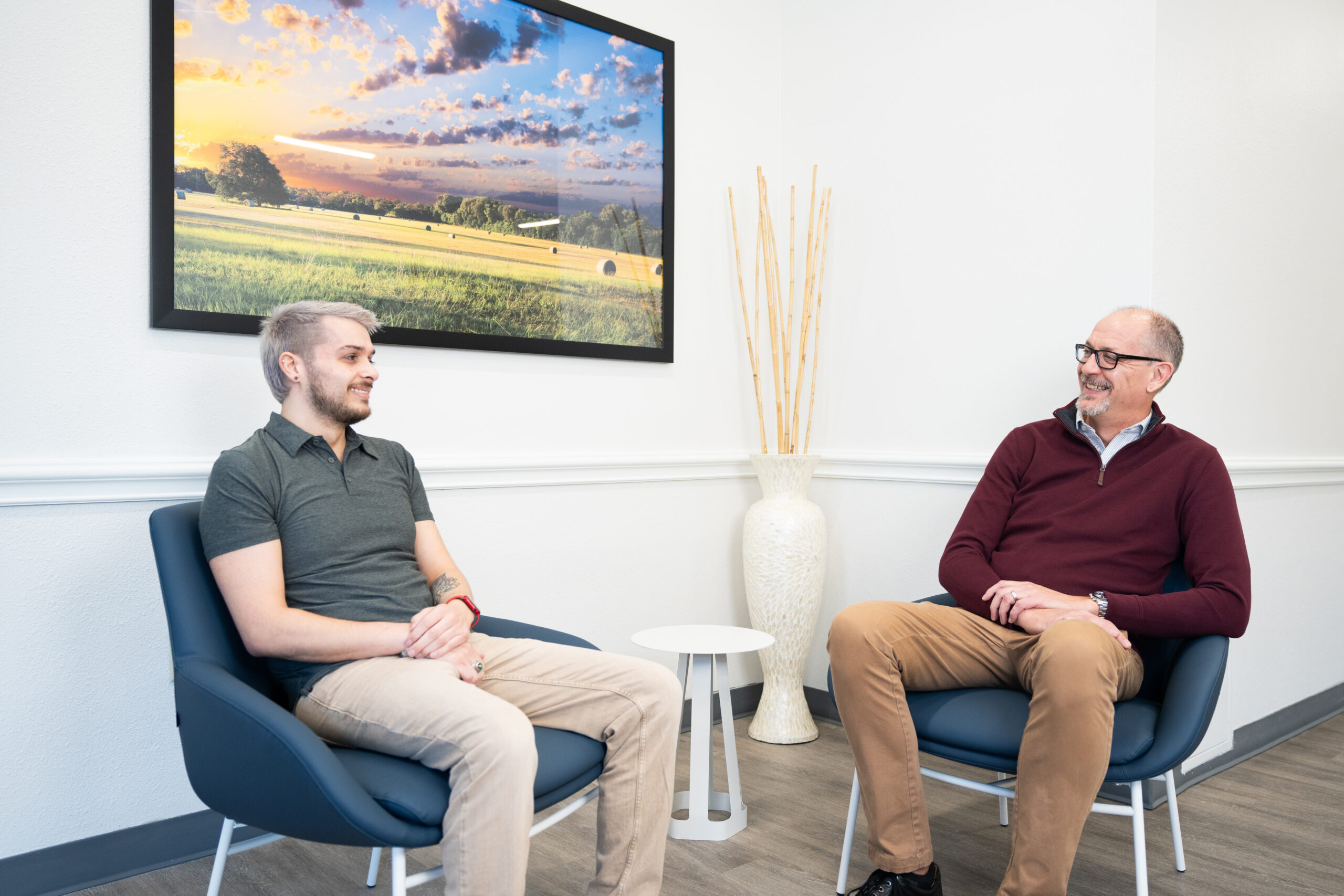
Clients are also likely to encounter some challenging moments during this stage — co-workers with difficult personalities, responsibilities that weigh on them, confrontation with family members, settings that glamorize drinking and periods of boredom and idle time. In the motivation stage clients are supported by their therapist, recovery community and treatment peers to help them get through these rough spots. By conquering the rough spots sober, individuals develop self-confidence, self-esteem and personal integrity.
Recovery Starts
Here
Choose recovery and take control of your life, it’s the path to a brighter future filled with health, happiness, and fulfillment.
THE PROCESS
Intensive Outpatient Program (IOP)
Intensive outpatient treatment, also known as IOP, is essentially a step down from inpatient treatment. Clients who are engaged in one of our IOP programs are able to return home every evening, meaning that they are able to begin working part-time with the ultimate goal of financial independence. IOP programs might also serve as a stand-alone solution in some cases. For example, if a person is suffering at the hands of a mild or moderate substance abuse disorder and no underlying mental or physical issues, IOP might be an ideal option. It is also a good option for people who require more flexibility than they would find in an inpatient treatment setting, either because they care for dependents or because they have a career that they cannot step away from for months at a time.
The length of the IOP program depends heavily on the unique needs of each individual client. Some clients might participate in IOP for six weeks, others might participate in IOP for six months.
At Guardian Recovery all of our IOP programs include the following:
- Intensive individual and group therapy sessions
- Recovery-related group workshops
- Case management services
- Relapse prevention training
- Life skills training
- Vocational training and educational placement
- Sober living housing placement
To learn more about our IOP programs or the Intensive Outpatient stage of our Reintegration Phase of addiction treatment, contact us today.
Sober Living
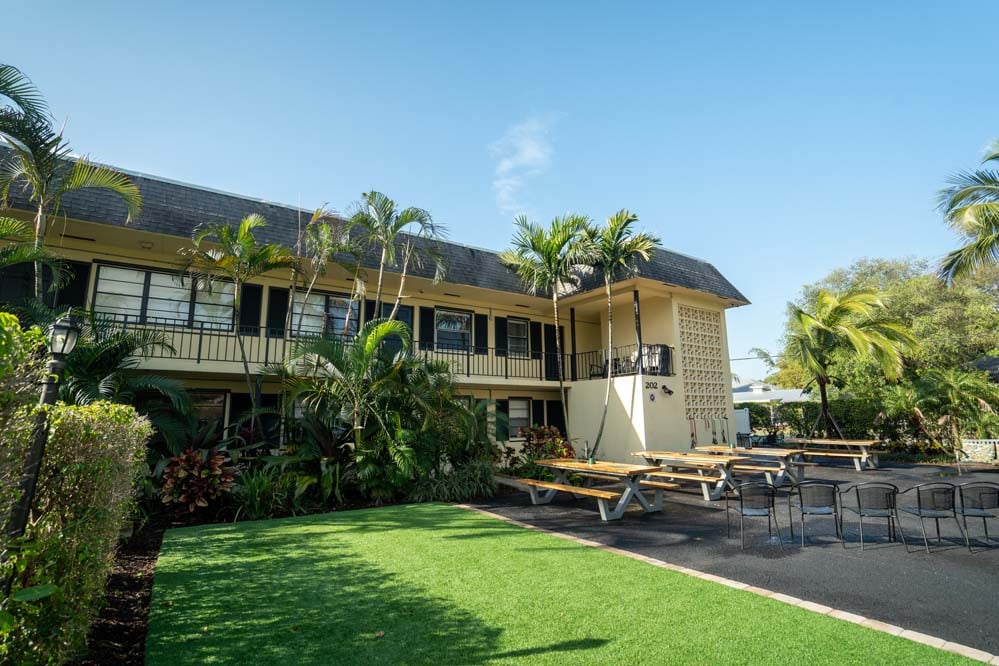
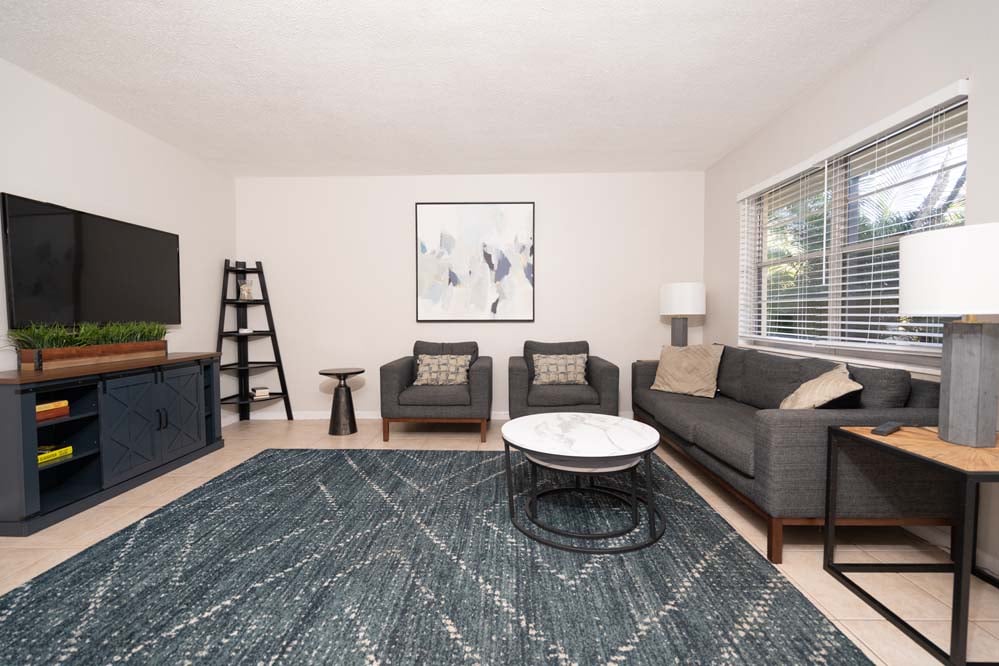
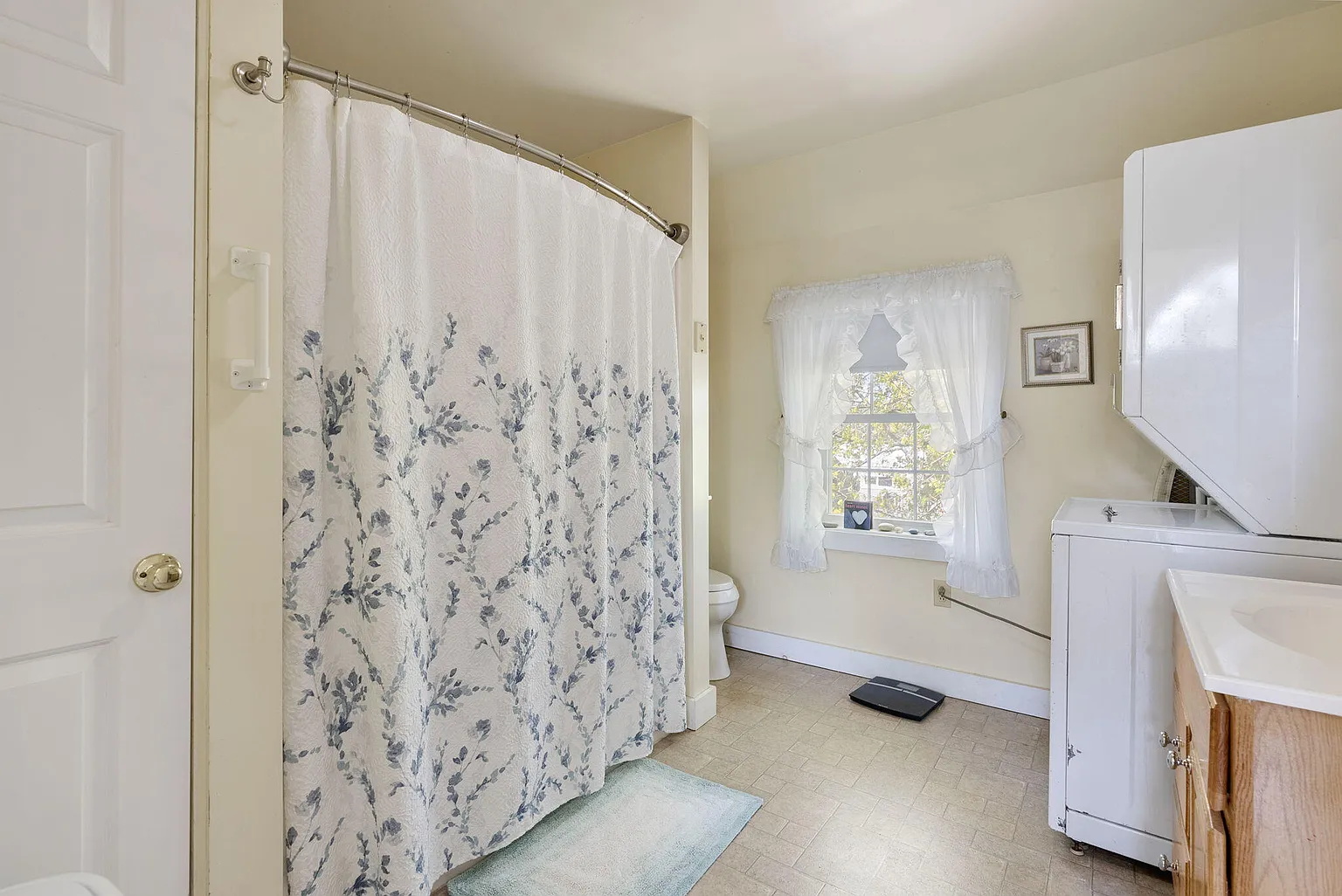
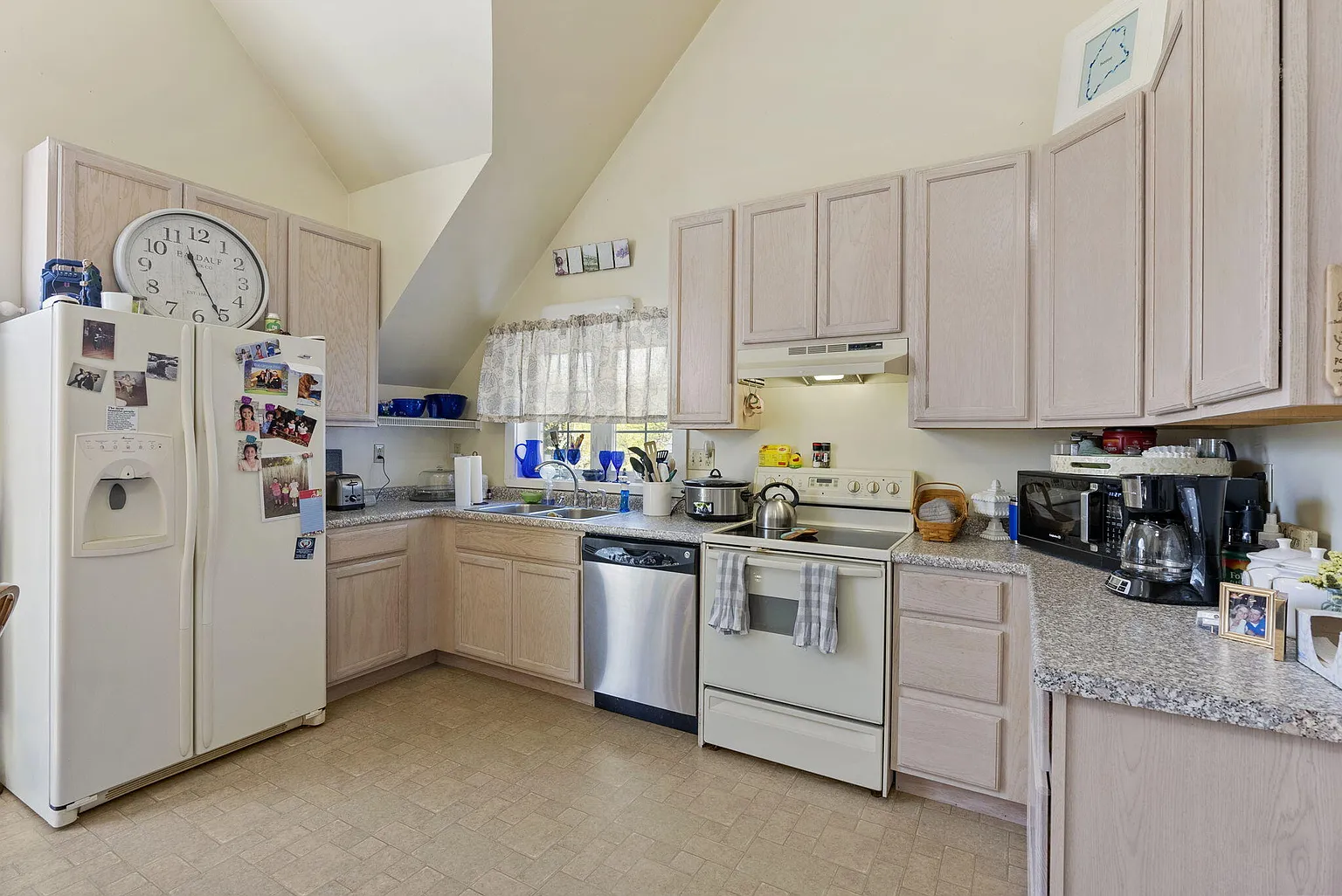
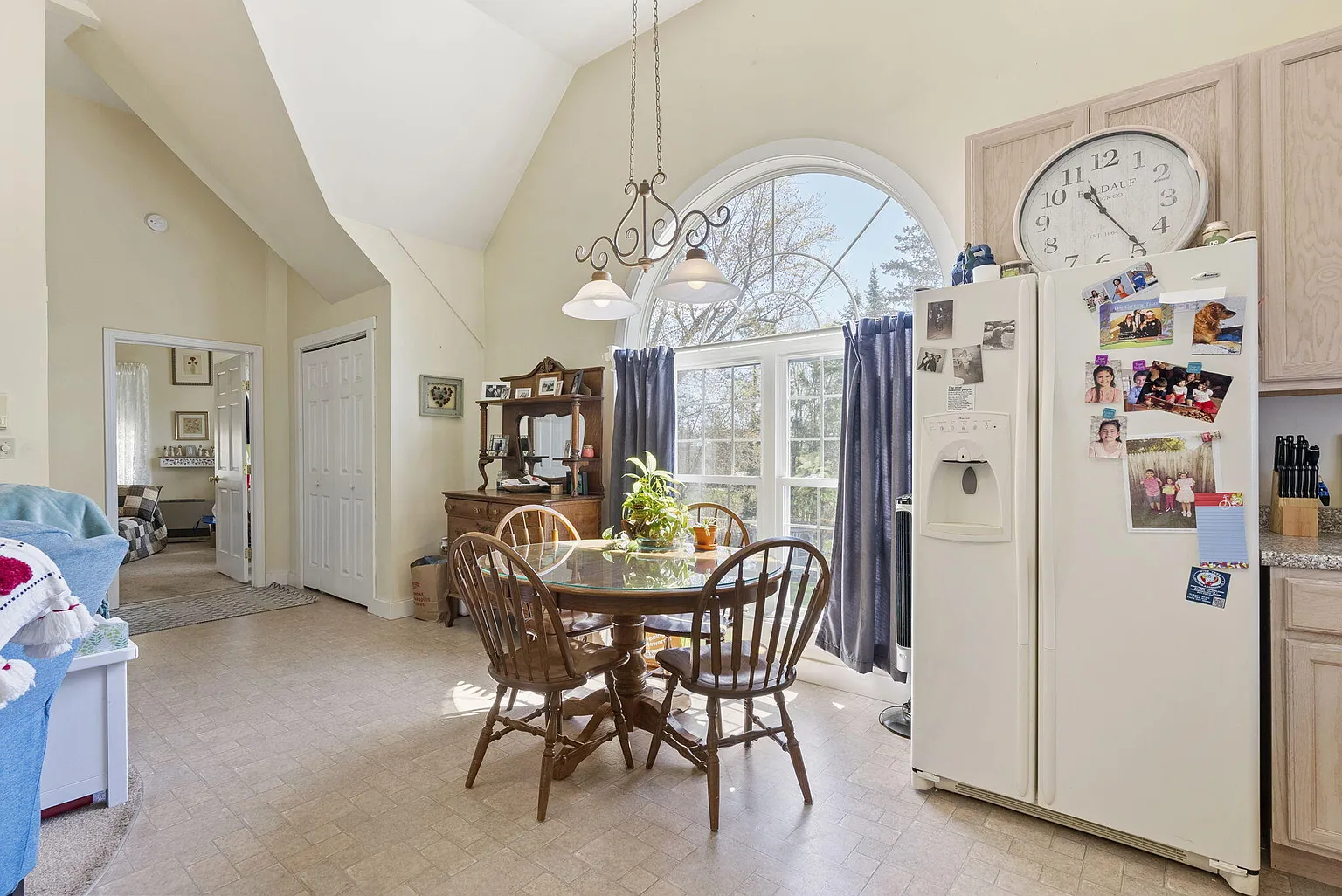
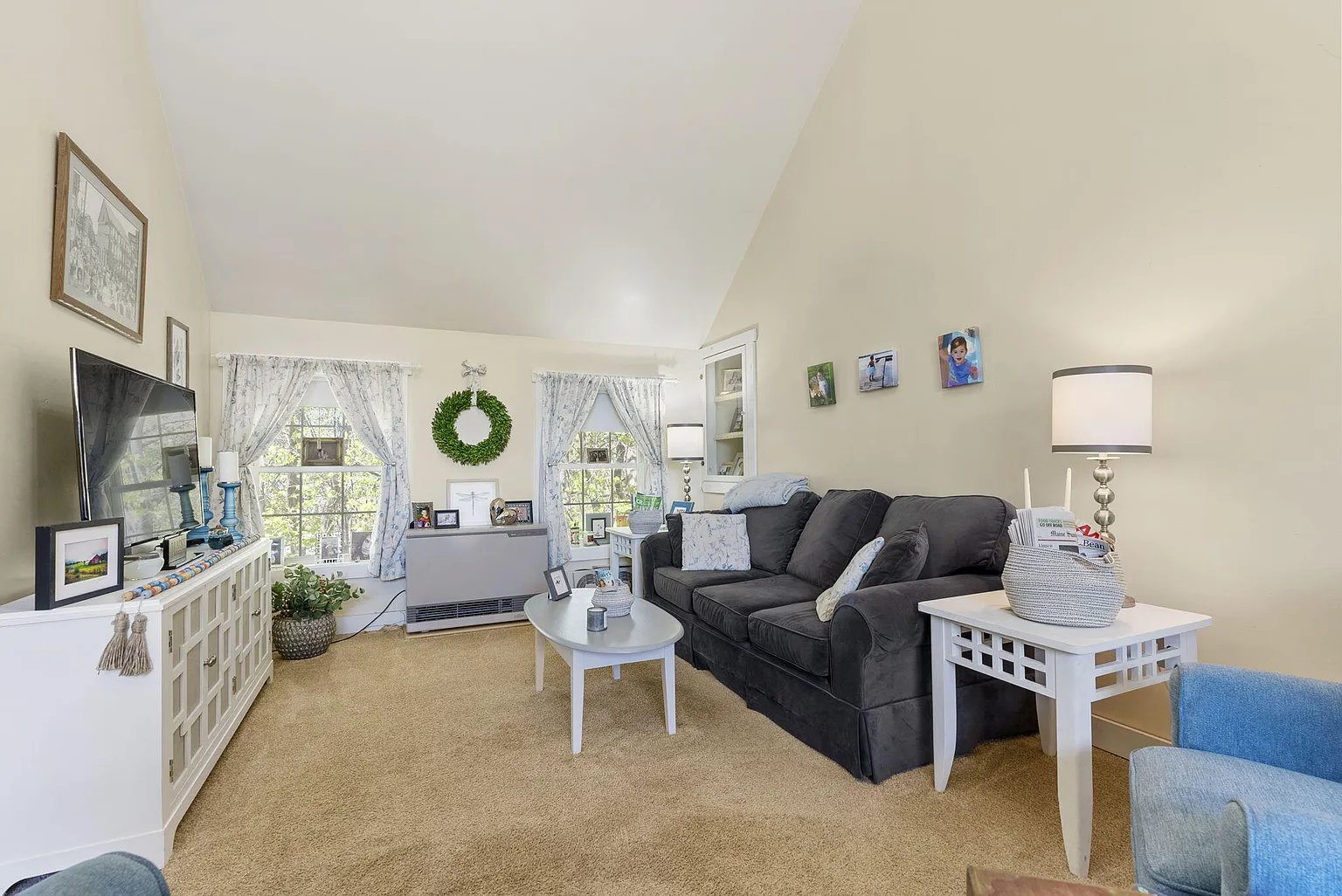
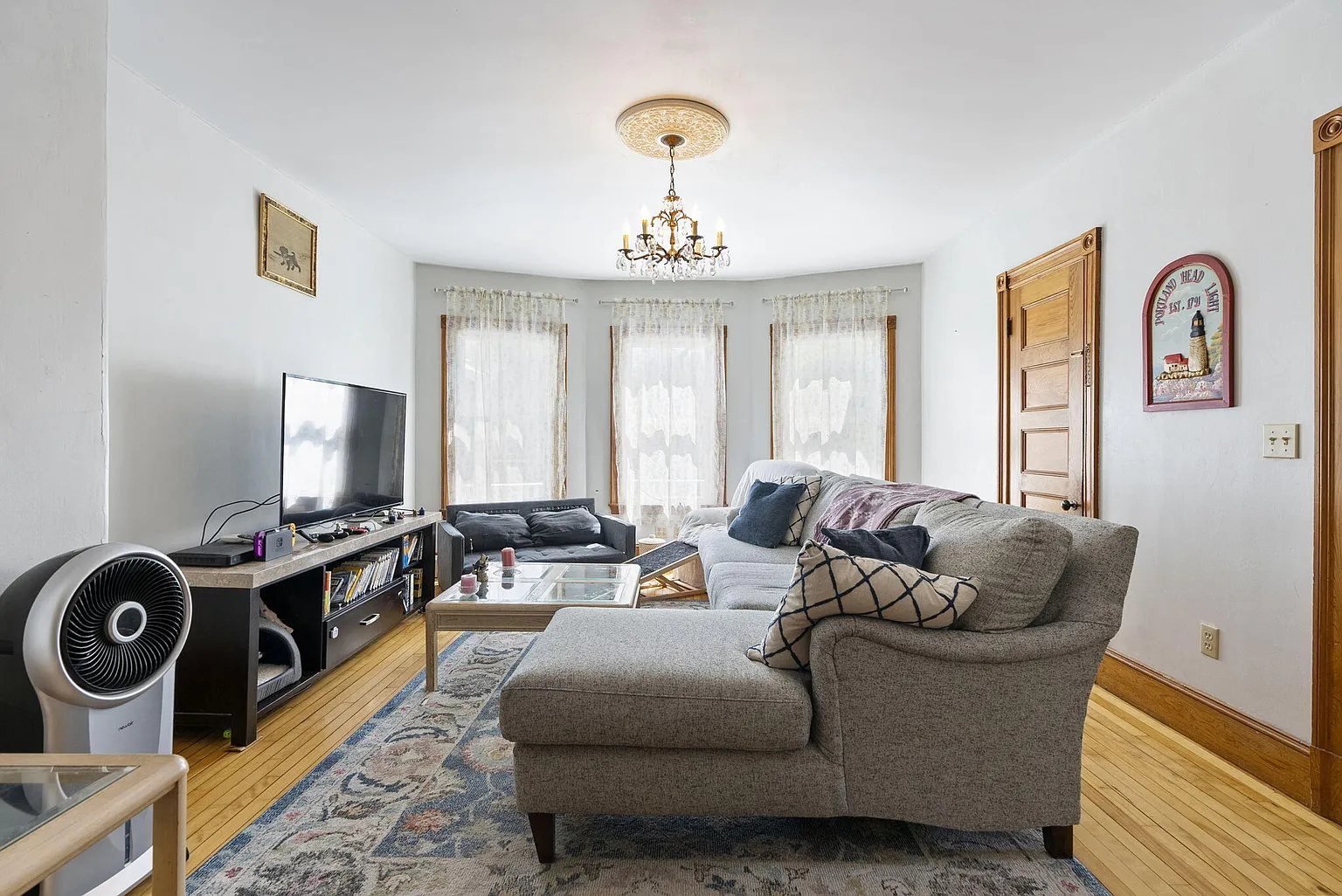
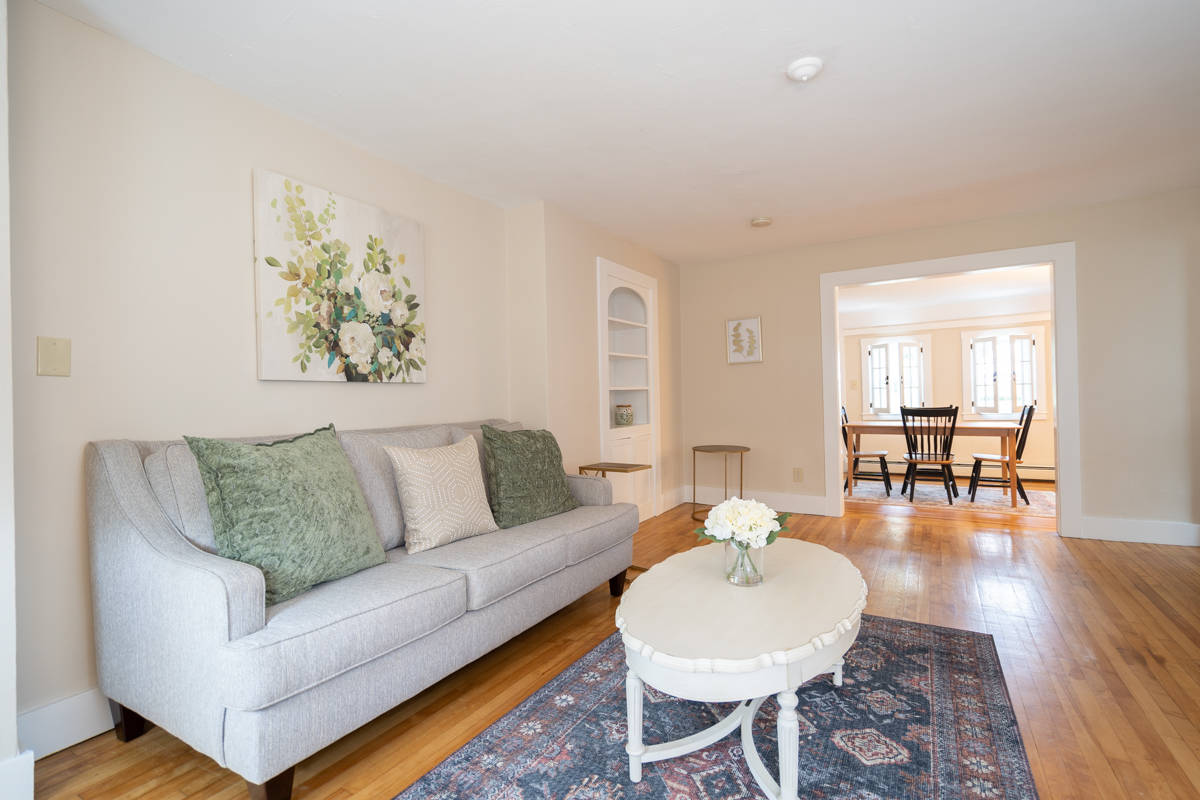
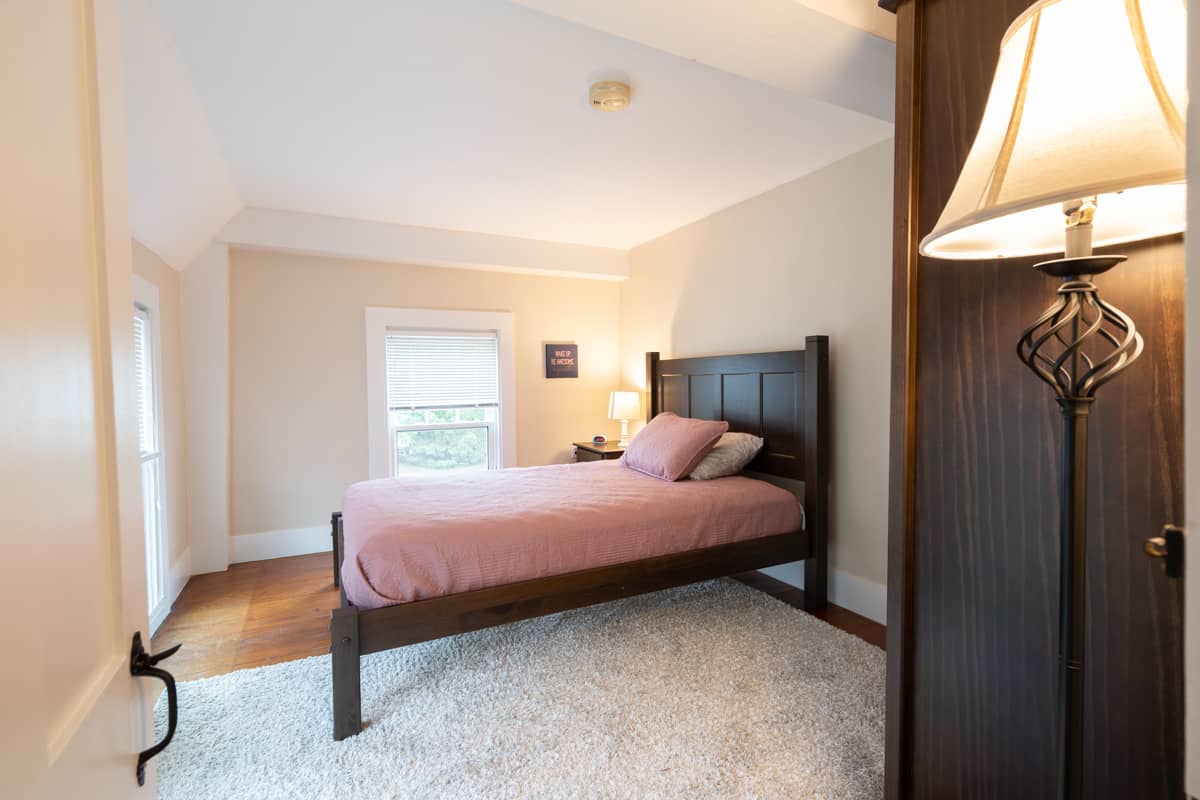
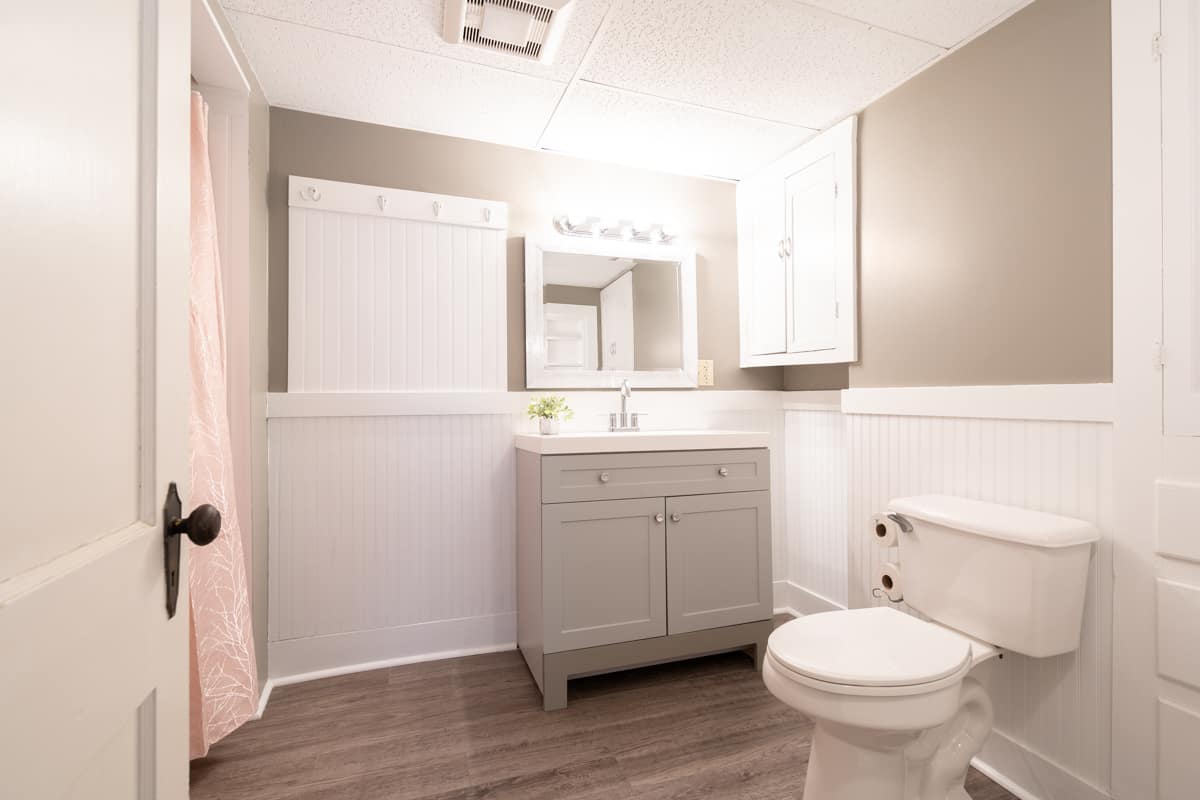
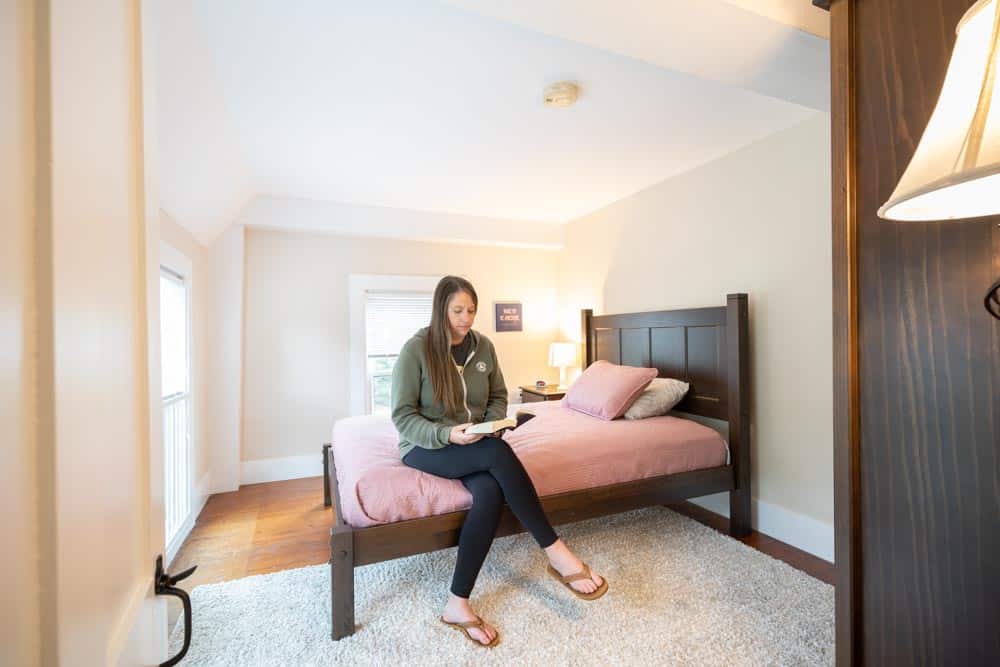
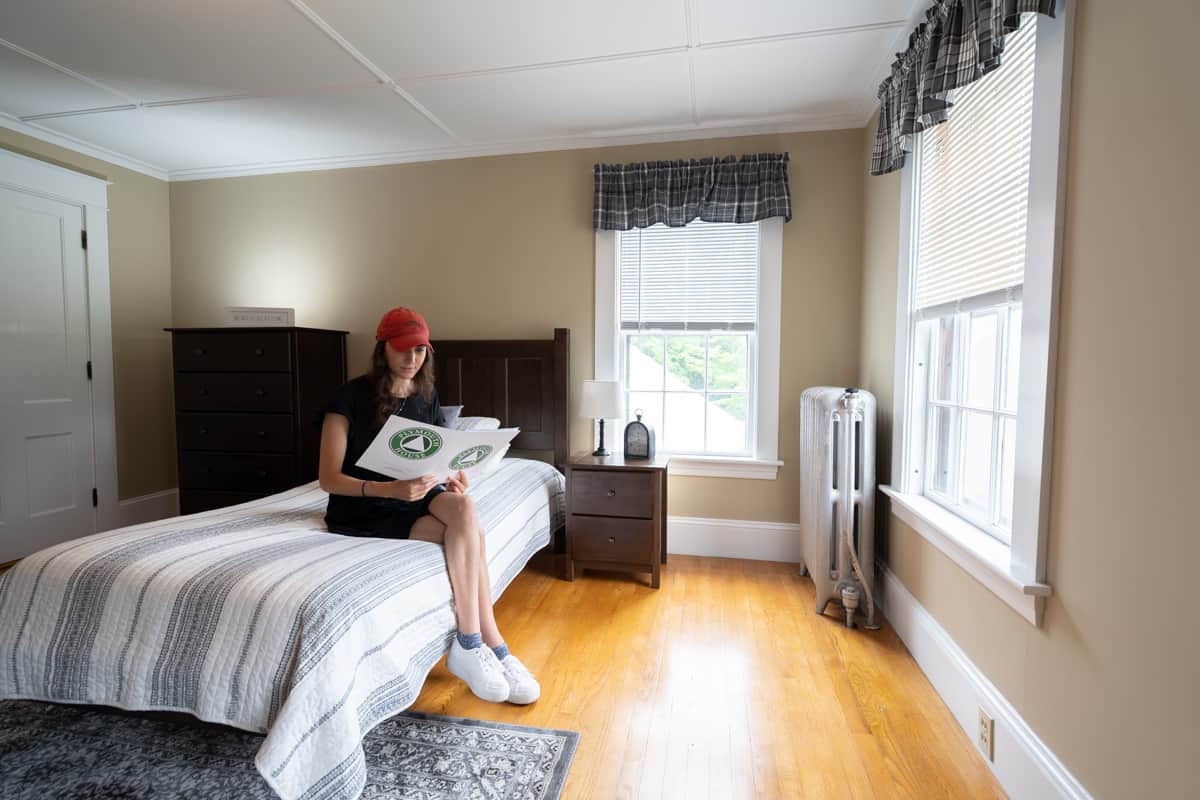
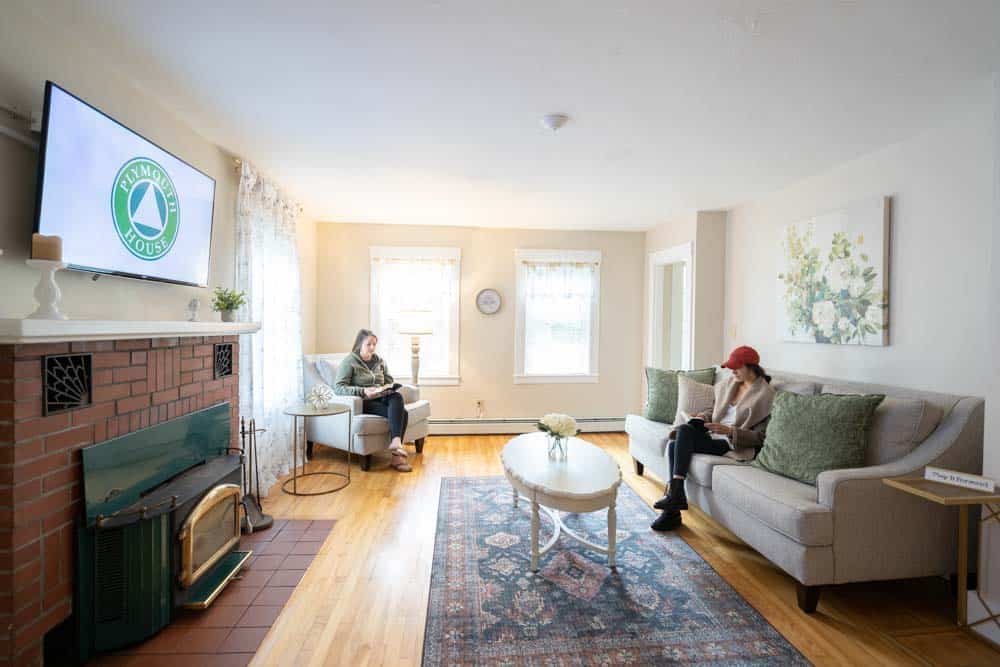
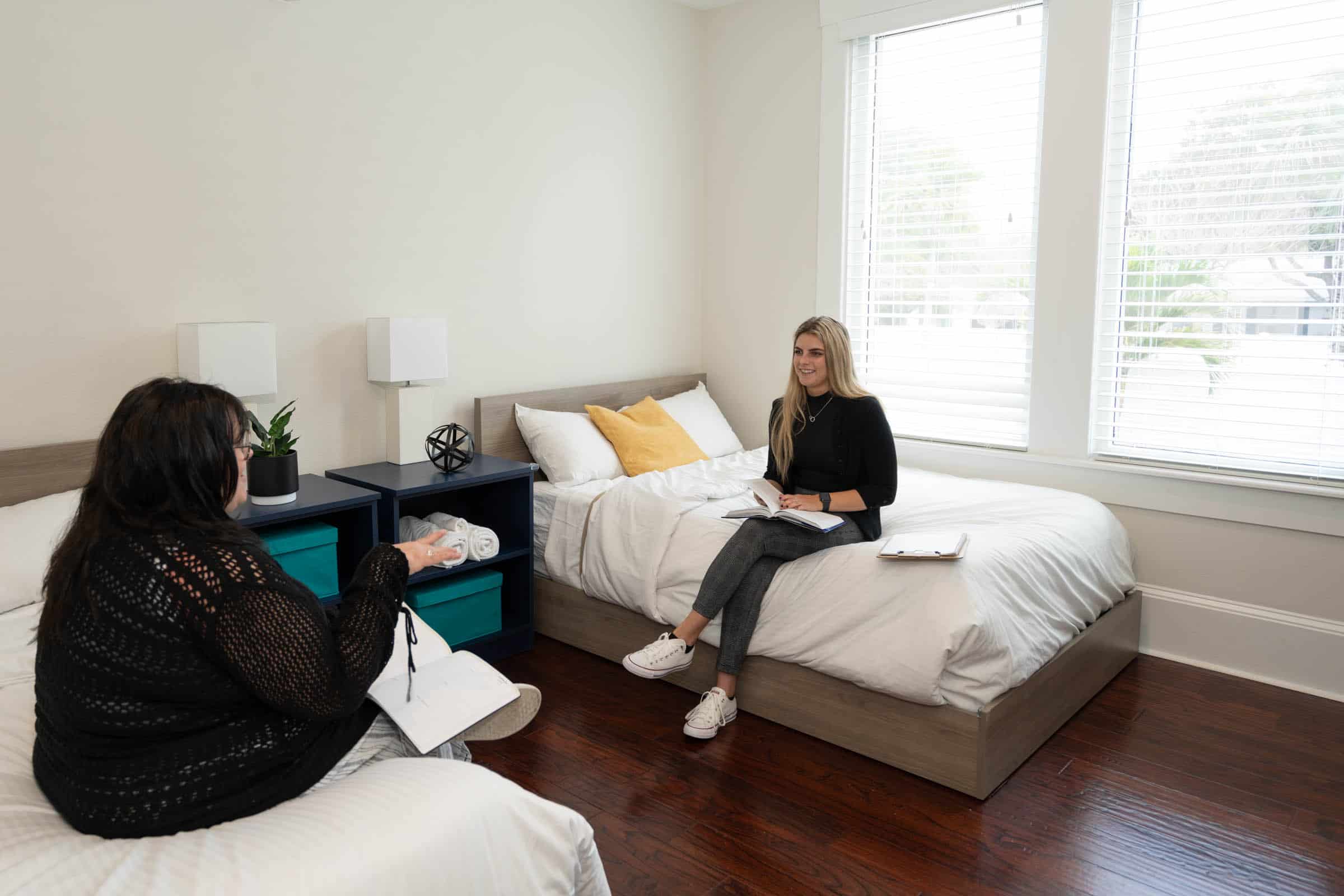
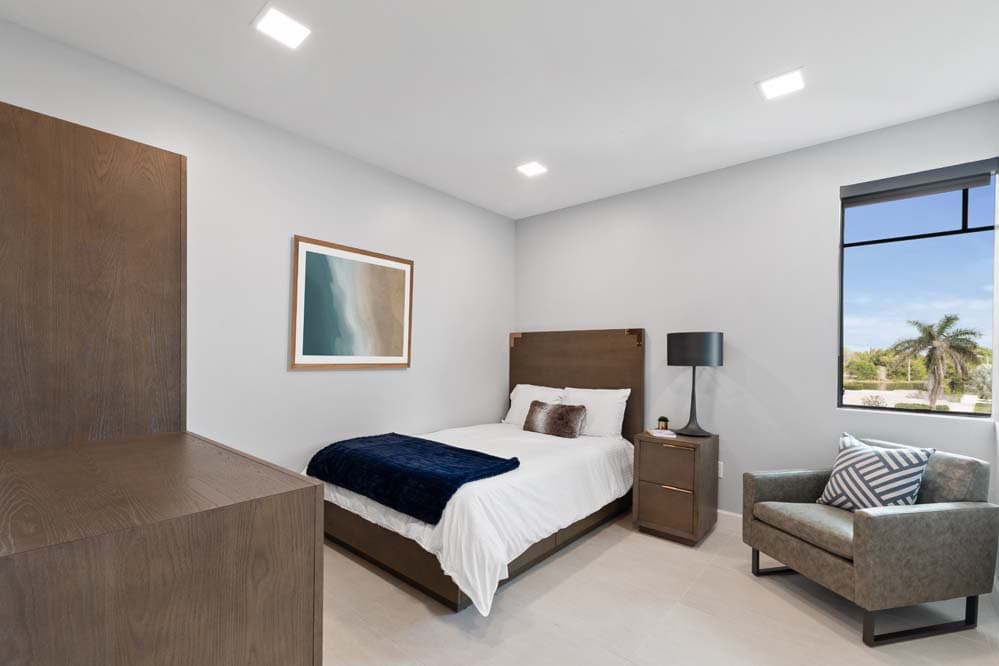
While Guardian Recovery does not operate any sober living houses of our own, we work closely with many reputable sober homes across the country. A sober home is a transitional living environment for individuals who are new to sobriety. All reputable sober homes enforce a strict set of guidelines geared towards keeping their residents sober and accountable as they reintegrate into society. At Guardian Recovery we ensure that all of the sober homes we work with focus on the following:
- Keeping residents engaged with a recovery program.
- Making sure that residents abide by all of the implemented house rules, which include things like sticking to a curfew and keeping up with personal and communal chores.
- Maintaining complete abstinence from all mood and mind altering substances.
- Continuing on with therapy (and dual diagnosis treatment whenever necessary).
- Helping residents obtain jobs in their desired fields, and offering support and guidance that pertains to gainful employment.
- Helping residents continue on with their educational pursuits if they desire to do so.
- Ensuring that clients participate in healthy, sober activities like volunteer work and recreational group outings.
- Teaching residents to respect their own space and respect the space and personal belongings of others.
- Helping residents foster healthy and mutually-beneficial friendships with members of the same sex.
To learn more about the sober living homes that we work with directly, contact us today.
Complimentary Insurance Check
Find Out Today!
"*" indicates required fields
Case Management
Case management is a crucial component of every stage of the recovery process, but it is especially important during the Reintegration Phase. Clients who are reintegrating into society generally need extra assistance — they need an advocate — someone who vouches for them and who is readily available to provide extra encouragement, guidance and support whenever necessary. Without ongoing help, making the transition from treatment back into independent living might seem overwhelming. Our case managers are available to make the transition as smooth as possible while helping clients continue to bolster the sense of self-esteem that comes with success in sobriety. We want each and every one of our clients to feel confident and self-assured as he or she transitions back into the real world as a functional, sober adult.
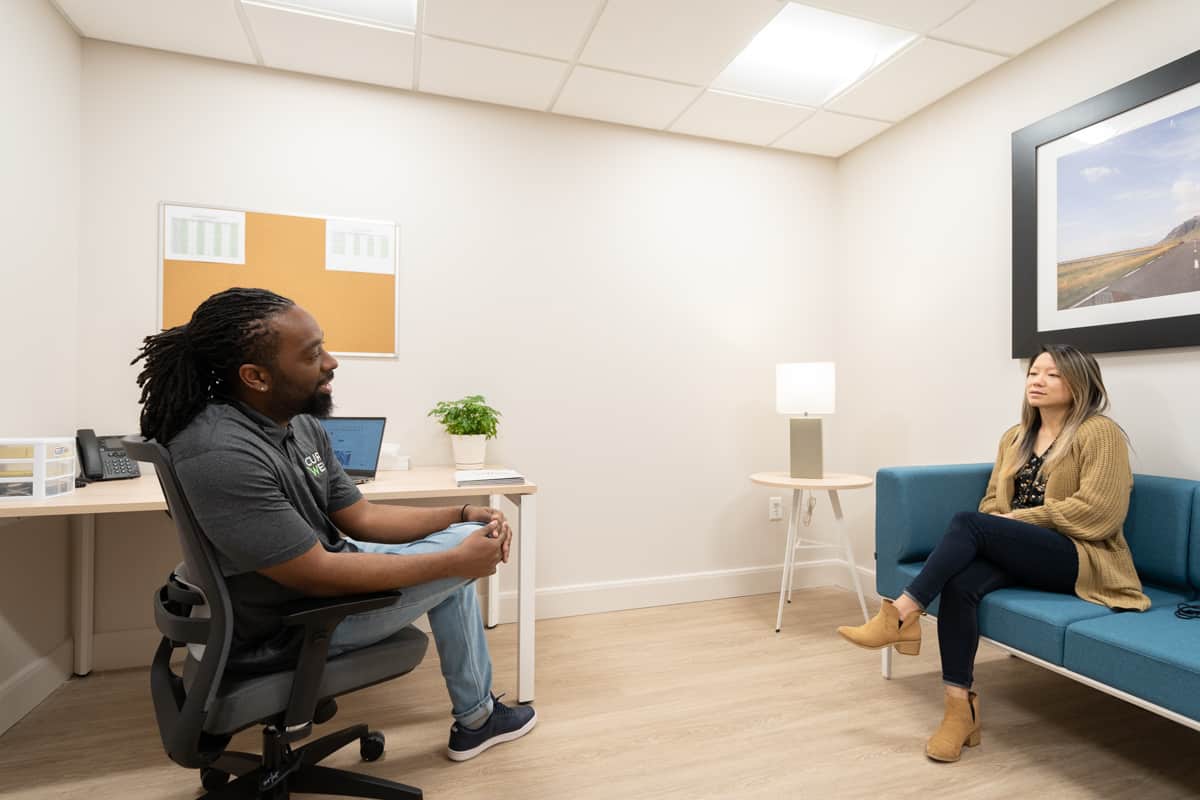
Case managers help clients find work, find housing and continue on with individual therapy and psychiatric services whenever necessary. They communicate with the loved ones of the client to keep them updated on progress, and consistently communicate with the clinical team at the client’s IOP program to make sure that all personal recovery goals are being reached.
Aftercare Planning
Without a highly personalized aftercare plan in place, the risk of relapse is high. Aftercare planning begins while a client is in the stabilization stage of our treatment program, and continues through the motivation and reintegration stages. While in IOP, clients work closely with their assigned case manager to develop an easily attainable aftercare plan. Every aftercare plan includes:
- A continuation of individual therapy with a licensed and experienced therapist (this could be the individual therapist that the client was assigned during the motivation stage of treatment).
- One of the following: obtaining gainful employment and sticking with the job for an extended period of time, returning to, beginning or applying to school, or regularly participating in volunteer opportunities.
- A continued bolstering of relapse prevention skills. Relapse prevention is a very important part of aftercare, and it is up to the client to continue discovering new, healthy ways to work through potential relapse triggers.
- Medication assisted treatment whenever necessary. In some cases, a person might be prescribed a medication to reduce cravings, prevent relapse or promote mental health while in inpatient treatment.
Our Locations
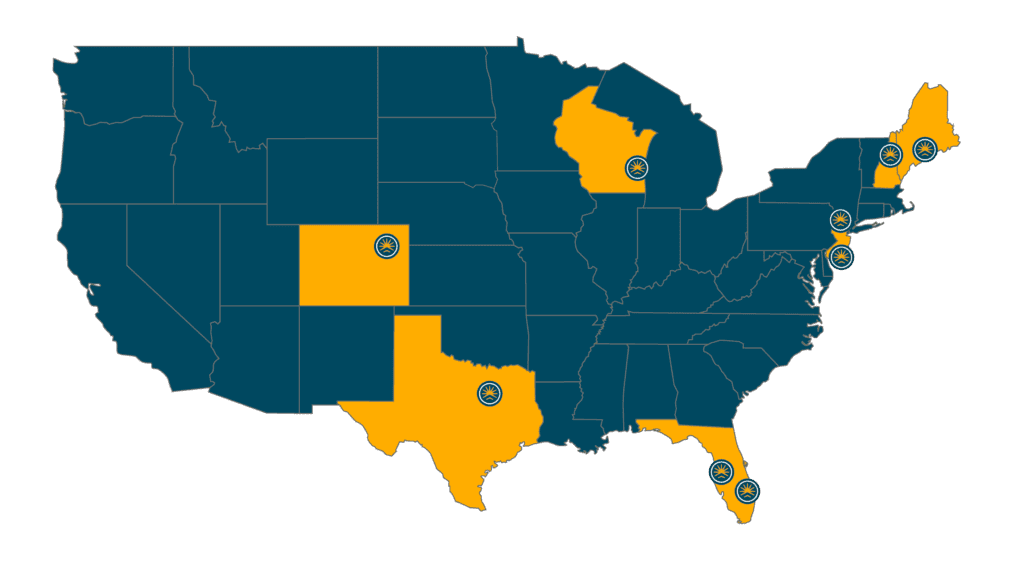
Our Facilities & Teams Transform Lives
Changing lives by providing comprehensive support and rehabilitation, empowering individuals to overcome addiction and regain control of their health and well-being.

Immersion Recovery Center
Delray Beach, Florida
Princeton Recovery Center
Princeton, New Jersey
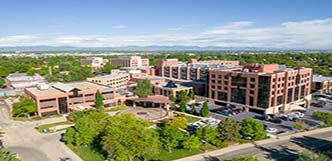
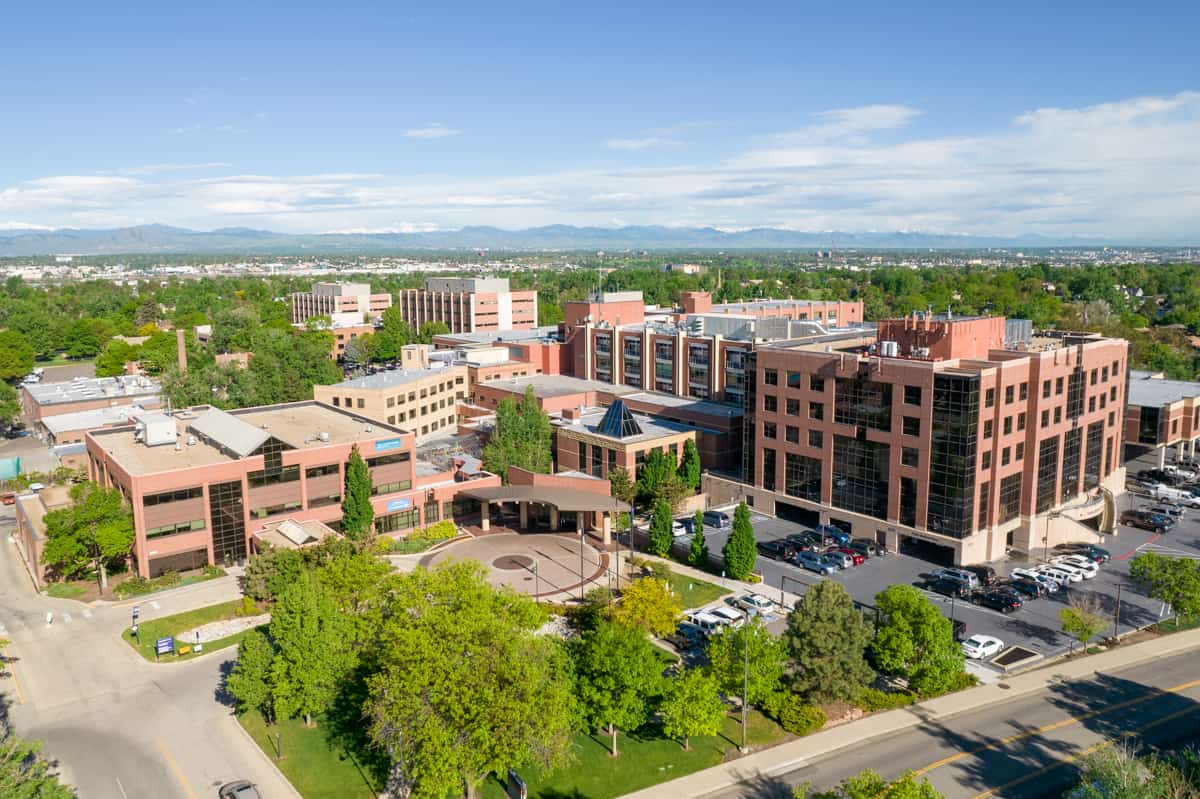
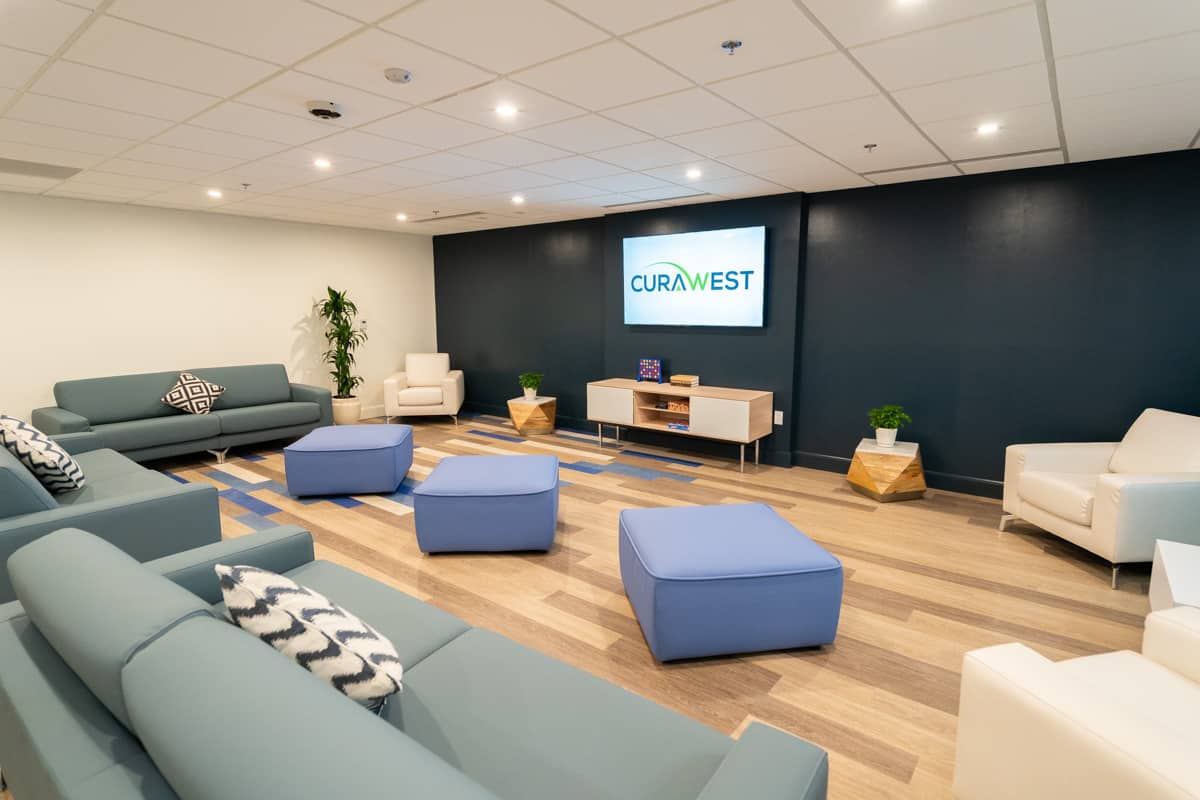
CuraWest
Denver, Colorado
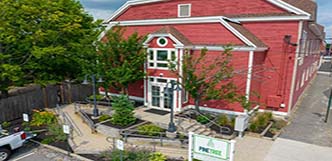
Pine Tree Recovery Center
Portland, Maine
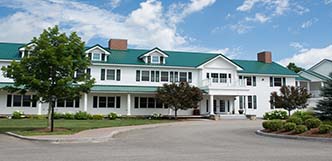
The Plymouth House
Plymouth, New Hampshire
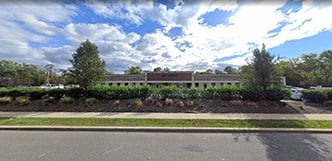
New Pathway Counseling
Pine Brook, New Jersey

Dallas Addiction Center
Plano, Texas
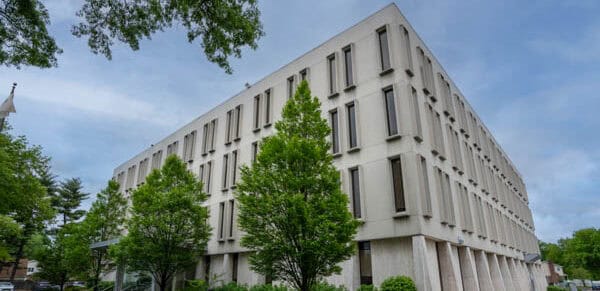
Saddle Brook Counseling Center
Saddle Brook, New Jersey
Lifelong Recovery
The Reintegration Stage of our recovery program is the final stage of addiction treatment, and the last step before a client transitions back into fully independent living. With the right tools in place we believe that anyone can maintain solid and fulfilling sobriety for the remainder of their lives, regardless of how devastating the substance abuse disorder was to begin with. To learn more about this stage of our treatment process, or to learn more about our multi-phased recovery program as a whole, contact us today.
Get Started Now
Give us a call 24/7